


Thinking about launching your own business but not quite sure where to begin? Whether you’re starting aside hustle or ready to go full-time self-employed, we’ve rounded up low-cost, high-potential business ideas built for UK entrepreneurs.
What are you most interested in? Jump to small business ideas for:
- personal and home services
- creative and digital roles
- trades and manual services
- professional services
- health, wellness, and self-care
- mobile food
Personal and home services
The personal and home services sector is focused on delivering convenience, care, and practical support to others.
If you want to harness a caring personality into a flexible, fulfilling career, this sector boasts a wealth of opportunities to get your small business off the ground.
- courier – hit the open road, set your own schedule, and be your own boss by launching a courier service
- dog walker – fit this flexible gig around your current routine – it comes with minimal startup costs and no mandatory qualifications
- dog groomer – animal lovers with spare space can easily start grooming from home, before potentially expanding to a commercial premises later on
- personal trainer – if fitness is your passion and you can invest in the right qualifications, try working as a freelance PT at home or in local gyms
- massage therapist – keen to work from home while soothing people’s aches, and pains? Look for a massage therapy course to get started
- childminder – working from your own home means you can bypass the hefty costs of securing a separate commercial property
- carer – blessed with great communication skills, empathy, and physical stamina? You can step into a career as a carer with no initial qualifications or setup costs
- man and van – provided you own a van and have good self-motivation, you can build a steady income helping people move or deliver large items
How to get started
- Set your prices – check what your local competitors are charging so you can offer competitive, yet profitable, rates.In this guide, we’ll cover what you should expect about any initial startup costs – as well as how often (and how much) you may get paid.
- Find your first clients – market your services to the local community using social media, word-of-mouth, physical flyers, or online listings.
- Define your niche – pinpoint the exact services you want to provide (e.g. mobile massage, elderly care, or walking specific dog breeds) to focus your marketing.
- Get qualified – check if your chosen path requires specific training, like fitness certificates, first aid, or childcare qualifications. Don’t forget to look into necessary licenses or DBS checks.
- Purchase essential equipment – map out and buy the basic supplies or tools you need to hit the ground running.
Key skills to succeed
- Excellent communication: actively listening to client needs, sharing regular updates, and building strong rapport.
- Customer service: going the extra mile, being dependable, and maintaining a friendly attitude to keep clients happy.
- Adaptability: seamlessly adjusting to unique requests, changing environments, and different personality types.
- Self-discipline and motivation: as your own boss, you’ll need the drive to manage your daily workload without anyone looking over your shoulder.
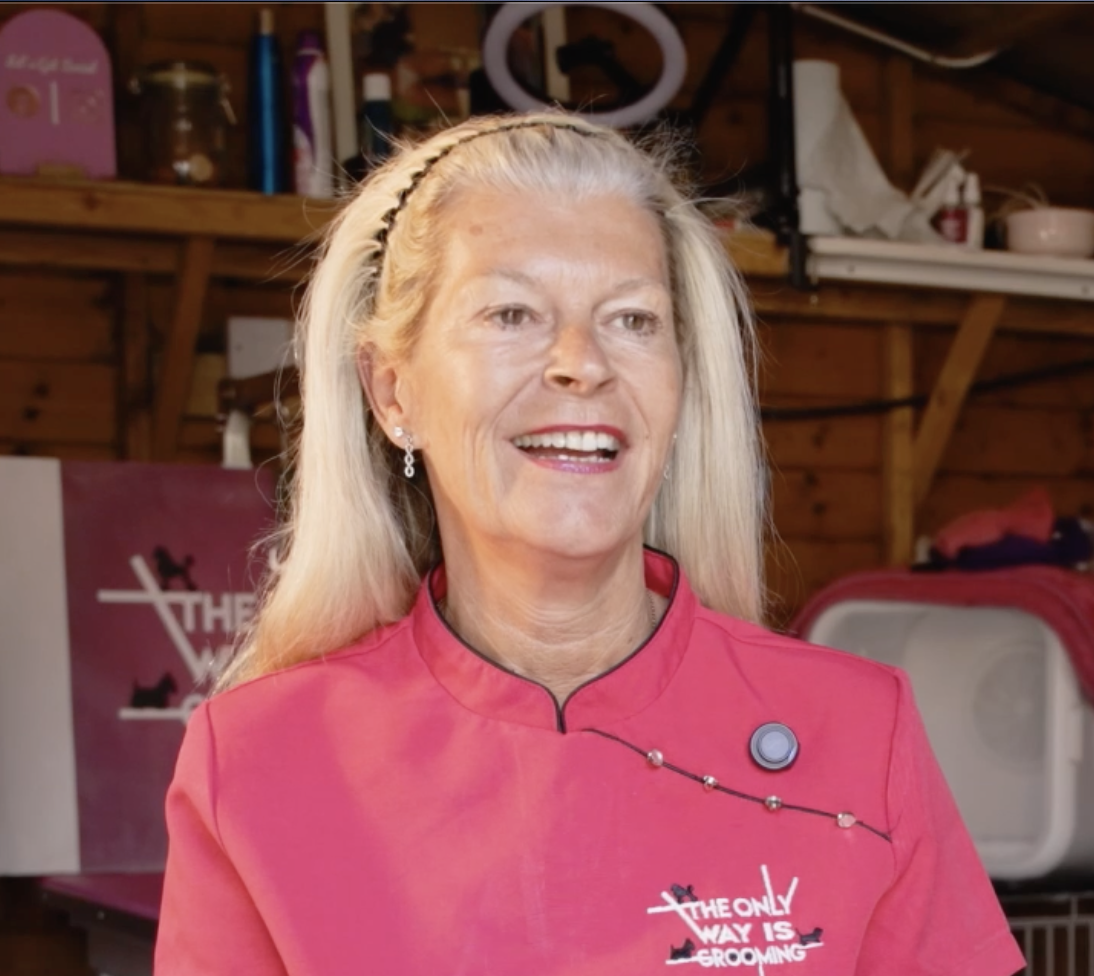
“It’s extremely important to have a mentor. I had a mentor throughout my work experience and it times of need, it’s always reassuring to hear another voice and opinion.”
Kim Constable
Owner of The Only Way is Grooming
Creative and digital roles
The digital and creative industries present fantastic opportunities to monetise your artistic flair or tech skills. Plus, thanks to the power of the internet, you can easily connect with customers across the globe.
- make up artist – got a steady hand and a way with people? Freelance makeup artistry relies on a mix of creative vision, strong communication, and self-discipline
- photographer – though the initial outlay for cameras and editing software can be steep, solid marketing and technical skills can turn this into a deeply rewarding profession
- affiliate marketing – eager to work online but not keen on creating your own content? Affiliate marketers earn commission by promoting other companies’ services or products
- craft business – from bespoke jewellery to original artwork, crafters can transform their hobbies into a livelihood by selling at local markets or on digital platforms
- online shop – launch your own ecommerce store to sell personal creations or curated items from other suppliers – all without the overheads of a physical shopfront
- florist – blessed with green fingers? Cultivate and arrange your own blooms to sell online, eventually building up to a physical storefront as your revenue grows
- content creator – content creators can generate income across various online platforms – just find your unique niche to enjoy a fully remote, flexible career
How to get started
- Build a portfolio: carve out a specific niche (like custom crafts, brand photography, or niche social media management) and curate a strong portfolio of your best work.
- Establish an online presence: a sleek, professional website or engaging social media profile is essential for helping clients discover your digital or creative services.
- Set your rates: do your homework on competitor pricing to ensure you’re charging a fair but profitable rate for your creations or services.
- Invest in essential tools: buy the specialist materials, gear, or software needed for your craft – whether that’s design suites, professional cameras, or crafting supplies.
- Market yourself: make a point of networking with industry peers, other creatives, and prospective clients.
Key skills to succeed
- Creativity and innovation: you’ll need a knack for fresh perspectives, thinking outside the box, and generating unique ideas.
- Technical proficiency: mastering the digital tools and software (like e-commerce platforms, video editors, or Adobe Creative Suite) specific to your field.
- Problem-solving: a huge part of your day-to-day will involve tackling challenges and dreaming up effective, creative solutions for your clients.
- Time management: seamlessly balancing various projects, keeping on top of your own schedule, and hitting deadlines is crucial.
Trades and manual services
If you’re ready to build a career with your hands and expertise, in an industry that’s often in demand, take a look at some of the top trades and manual services business ideas that you could start yourself. Here’s how to lay the groundwork:
- handyman: covering a range of maintenance issues, working as a handyman can be more varied than other trades jobs
- gardener: love the great outdoors? Gardeners and landscapers can work with domestic or commercial clients – and have many specialisms within the industry
- electrician: while you’ll usually need at least a level three technical qualification to start your own electrician business, these upfront costs of study can be worth it in the long run thanks to supply and demand for the trade
- roofer: you’ll need to be physically fit, technically-minded, and a good communicator in order to find success as a roofer – as well not being afraid of heights
- plumber: plumbing is a trade that’s constantly in demand – and you could even find a specialism (like a late night or emergency plumber) which allows you to charge more
- plasterer or painter and decorator: like working with your hands and have an eye for design? A plasterer creates base surface and decorative finishes like cornices, while a painter and decorator develops those surfaces by painting, varnishing, and staining – could you be one or both?
- carpenter or joiner: both of these business ideas require a strong understanding of woodworking, a good level of physical fitness, basic maths skills, and a knowledge of safety precautions
- glazier: responsible for installing and repairing glass in windows, glaziers are always in demand – but you’ll need to be comfortable working at height
- bricklayer or builder: these are some of the world’s oldest trades and are still going strong, making them a good choice for tradespeople hoping to work for themselves
- groundworker: as well as technical skills, groundworkers will need to be able to communicate well with different teams to solve problems and make sure work isn’t held up
- window cleaner: while you don’t need any formal qualifications or expensive equipment to start a window cleaning business, you’ll need to be trained to work at height

5%
increase in annual turnover for painters and decorators between 2023/24

4%
increase in annual turnover for handymen between 2023/24

3%
increase in annual turnover for plumbers between 2023/24
Simply Business looked at tradespeople who completed our quote form and requested a quote in 2023 and 2024, only taking into account trades with more than 3,000 submitted quote
How to get started
- Get qualified: many trades roles need specific qualifications in order for you to do the job – so you’ll need to research apprenticeships and college courses – plus get any mandatory licenses and certifications
- Invest in essential tools and equipment: build a reliable kit of professional-grade tools and equipment relevant to your specific trade. Work out what tools you need to start with and invest in more as your business grows
- Build your reputation and find work: start by networking, asking for referrals, and showcasing your work. Consider creating a simple website or joining online trade directories to attract your first clients
Key skills
- Practical and technical proficiency: you’ll need to develop a deep knowledge and hands-on skill in your chosen trade
- Attention to detail: the key to repeat clients is ensuring high-quality workmanship, accurate measurements, and a professional finish
- Physical stamina: many trades roles need strength, endurance, and fine motor skills
- Customer service: you’ll need to clearly understand your clients’ needs – explaining work, providing quotes, and maintaining a professional demeanor
- Estimating and quoting: accurately calculating costs for materials, labour, and overheads is a key part of any trades role

“Despite the challenges, I’m feeling confident about the future of my business. My work is still in demand and I have the unique advantage of being able to be flexible – which means I can pick up extra jobs and take time off as and when I need.”
Taylor Rutter
Contract Carpenter
Professional services
If you’re looking to use your expertise and offer specialised advice or support, the professional services industry offers rewarding opportunities in a range of industries – so you can match it to your interests.
- accountant: accountants will need to study for vocational qualifications before they begin – but can find work in a variety of sectors once they’re qualified
- project manager: if people are always saying you’re organised and a problem solver, you can put those skills to use working freelance for a variety of businesses helping them to deliver key projects
- virtual assistant: virtual assisting is a popular business idea as it’s fully remote, requires little start up costs, and can be flexible to fit around existing commitments
- tutor: if you have a passion for teaching and inspiring the next generation, becoming a self-employed private tutor can be a rewarding business venture
- driving instructor: you’ll need to pass a driving instructor course to become qualified – but other than that there are little start-up costs
- property management: responsible for the upkeep of rented properties, property managers need to have good communication skills and enjoy dealing with people
- business consultant: if you’re experienced in business, love solving problems, and helping others reach their goals, this can be a rewarding career with few start-up costs
How to get started
- Gain the necessary qualifications: look into any essential certifications, degrees, or licenses for your field – and consider specialising in a niche to stand out even more
- Define your service: clearly outline the specific services you’ll offer and research competitive rates to create a profitable pricing structure
- Build your professional network: create a strong online presence which showcases your expertise and testimonials – then actively network to build connections and find your first clients
Key skills
- Sales skills: don’t forget about the ability to identify opportunities, pitch your services, and convert leads into clients
- Communication: excellent verbal and written skills for client interactions, presentations, and reports are key to these roles
- Problem solving: you’ll need to be able to understand complex issues and find effective solutions for clients
- Client relationship management: building rapport, understanding client needs, managing expectations, and fostering long-term partnerships will help you find and keep clients
- Strong digital skills: you’ll need to be adept with the relevant software, tools, and platforms essential for your specific service
Health, wellness, and self-care businesses
The wellbeing economy is booming as more people prioritise their physical and mental health. This sector is perfect for those who want to make a positive impact on others’ lives while building a highly flexible career.
- wellness or life coach: help clients achieve personal goals, manage stress, or build better daily habits through one-on-one sessions
- yoga or pilates instructor: teach community classes in local village halls or run virtual sessions from your living room with minimal equipment
- meal prep service: cook and deliver healthy, macro-balanced meals to time-poor professionals or gym-goers in your local area
- nutritionist: offer tailored dietary advice and bespoke meal plans (just make sure you research the specific certifications required in the UK)
How to get started
- Get certified: look into accredited courses or certifications to build trust with your prospective clients.
- Define your audience: decide exactly who you want to help, whether that’s busy parents, amateur athletes, or corporate professionals dealing with burnout.
- Build a digital presence: share valuable tips, client success stories, and your own wellness journey on social media to attract followers and build authority.
Key skills to succeed
- Empathy and active listening: understanding what your clients truly need so you can help them overcome personal barriers.
- Motivational skills: inspiring people to stay consistent, positive, and accountable to their goals.
- Boundary setting: protecting your own energy and time while supporting others through their challenges.
Mobile food businesses
Opening a brick-and-mortar restaurant comes with hefty overheads, but hitting the road with a mobile food business offers a lower-risk, high-reward entry into the hospitality industry.
- street food vendor: launch a hyper-focused, delicious menu from a gazebo or small food truck at local weekend markets and summer festivals
- mobile barista: set up a specialist coffee van or bespoke trike near busy commuter hubs, local parks, or industrial estates
- home baker: utilise your own kitchen to bake artisan breads, specialty cakes, or sweet treats to sell directly to consumers or wholesale to local cafes
- private chef: bring the restaurant experience into people’s dining rooms by cooking bespoke menus for dinner parties and special events
How to get started
- Sort your hygiene certificates: complete your Level 2 Food Hygiene and Safety course and make sure you register your business with your local authority at least 28 days before trading.
- Perfect your menu: keep your initial offerings tight, focusing on a few hero items that you can execute perfectly every single time.
- Find your pitch: research local farmer’s markets, food festivals, and high-footfall areas to secure the best, most profitable trading spots.
Key skills to succeed
- Culinary flair: a genuine passion for food and the ability to consistently produce high-quality, delicious dishes.
- Working under pressure: serving long queues of hungry customers quickly and efficiently without letting your standards slip.
- Stock management: accurately predicting daily demand to minimise your food waste and maximise your profit margins.
Structuring your business
Before you take on your first client or make your first sale, you need to decide on the legal structure of your new venture. This choice impacts how you pay tax, how you take home your profits, and your level of personal liability.
- sole trader: the simplest and most popular way to start. You run your business as an individual and get to keep all your profits after paying tax on them. However, you and the business are legally the same entity, meaning you are personally responsible for any business debts
- limited company: setting up a limited company legally separates your personal finances from your business finances. It requires a bit more admin (like filing annual accounts with Companies House), but it offers ‘limited liability’, meaning your personal assets are protected if things go wrong
Once you’ve decided on your structure and registered with HMRC, it’s time to start thinking about the future.
What next?
Found a small business idea that works for you? Once you have an idea in mind, don’t forget to check out the following guides to help you on your journey:
- How to register a business name – and how to protect it
- How to set up a business bank account
- How to find a gap in the market
- How to advertise your business – the ultimate marketing guide

Helping businesses to get back on track
No matter what business idea you decide to pursue, securing the right insurance cover is vital to making sure you’re protected.
Here are some of the most popular covers to consider:
Public liability insurance – public liability insurance protects your business if a client or member of the public is injured, becomes ill, or their property is damaged because of your work. It can pay legal fees and compensation up to your policy limit.
Professional indemnity – if your business advises clients, or helps them navigate complex financial or legal affairs, errors can cost thousands. Professional indemnity insurance can protect you if a client makes a financial loss, because of your work.
Employers liability insurance – employers’ liability insurance is a legal requirement for most UK employers, under the Employers Liability Act 1969. It’s designed to protect you and your employees (including those who no longer work for you) if they’re injured or become unwell as a result of working for you, covering the associated legal and compensation costs, and other damages
But if you run a quote with us you’ll be able to tailor a policy that includes all the covers you need (and none of what you don’t).
Promotion
More small business ideas
- 11 of the best online business ideas
- 15 business ideas from home – and how to start making money
- 7 trending small business ideas for 2025
- 5 trending products to sell in 2025
Ready to set up your cover?
As one of the UK’s biggest business insurance providers, we specialise in public liability insurance and protect more trades than anybody else. Why not take a look now and build a quick, tailored quote?