
Whether you have a true passion for your craft and want to share it with the world or just want to make some extra cash, the allure of side hustles is hard to ignore. And with almost half the UK population saying they have one, how do you start a side hustle for yourself?
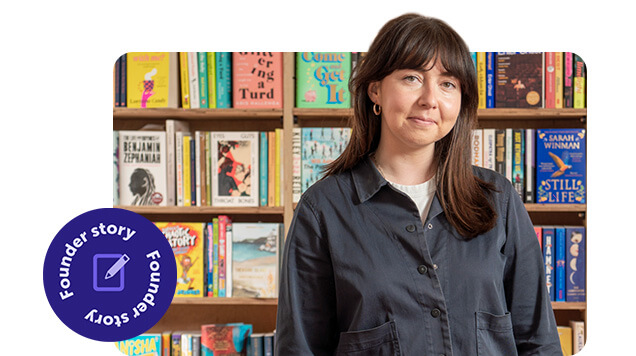
We spoke to Jaimie Poyner, founder of Clemo Books in Newquay, to find out how her pop-up bookshop found a permanent home on the high street. From winning funding to building a community, Jaimie shares how she felt confident to take the leap from freelance PR to full-time bookshop owner.
We also heard from a luxury wedding designer at KM Stationery and Design to find out how founder Kirsty turned running an Etsy shop from her living room cupboard into a viral success.
From inspirational stories to all the practical steps you need to get started, this guide will help you turn your passion project into a fully-fledged business.
How involving your local community can be your superpower: a young entrepreneur’s story
Jaimie Poyner, founder of Clemo Books, writes:
I think creating a community and asking for support was really helpful to me. Following a successful crowdfunding campaign, I had all of these new people in my life that I really respected, all rooting for me. It gave me a lot of confidence, which I don’t think is something instilled in a lot of young people today.
I was working 9-5 when I started doing pop-up book sales. I found time during evenings and weekends at markets to make it work (market stall holders don’t get enough credit, it was hard work). I then moved to a freelance role to have the freedom to be more flexible. However, that fell through, and I decided to open a permanent retail shop.

I was able to drop my freelance work about 18 months into running the business and pay myself from the bookshop, which felt like a really big achievement. But at the time, freelancing was ok as it made me less worried when there was a quiet day as I knew I’d still have an income.
The book club is possibly the part I’m most proud of as it’s created a community of people who’ve found friendship over books. Each month, we come together to discuss a new book. There might be a newcomer, or some members have gone for a swim in the sea together beforehand, or a few of us make plans to go to the cinema together. We support each other and they support our business.
People want to be a part of something and the high street is a wonderful place for that community.
Balancing a full-time job and a side hustle: a founder’s story
Kirsty Marie Harvey, founder of KM Stationery & Design, writes:
I truly don’t think there’s such a thing as balance when you’re trying to build a business alongside motherhood and a full-time job. I think social media makes it look exciting and glamorous, but the truth is it was exhausting. I was using every spare second, every bit of energy, and every bit of money trying to make it work.
My priorities completely changed. I realised I didn’t want to spend my life burnt out and living on someone else’s schedule. I wanted to be there for school runs, do something I genuinely loved, make people happy with my work, and build something that felt like mine.
I already knew the business had potential because people connected with what I was creating. But there were so many moments where it felt like it was never actually going to happen.
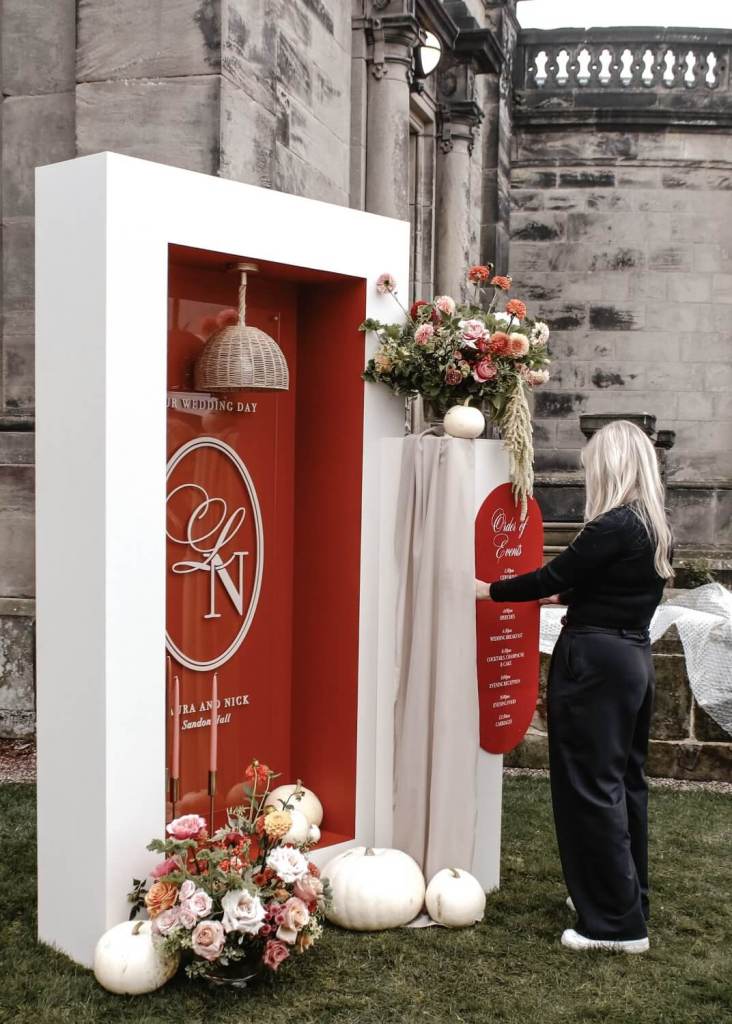
I think when you care deeply enough about something, you just keep going anyway.
My advice would be to fully commit. You can’t go into it half-hearted. I genuinely don’t believe in luck – I believe in consistency, determination, and hard work. Sometimes it genuinely doesn’t feel like it’s mine or that I’ve actually done it. The imposter syndrome is very real and I still feel it every single day.
I now feel incredibly lucky that I get to meet so many amazing people and become part of so many stories. I work with unbelievably talented suppliers, visit incredible venues, and genuinely get to do something I love every single day.
How to start a side hustle – 7 step guide
But how do you actually start a side hustle? While Jaimie and Kirsty started in different ways, they still followed the same core steps when it came to setting up, marketing, and growing their businesses.
- Find your niche
- Choose a business structure
- Find funding
- Believe in your idea (because it will take work)
- Set boundaries early on
- Check your tax responsibilities
- Build the hype and involve the community
1. Find your niche
You may already have an idea in mind for your new business venture – or you might still be figuring that out. But once you know what you’re doing, you’ll need a business name. Make sure to do your research so it doesn’t infringe on copyrights or is too similar to existing companies. Our guide to registering a business name can help you.
For Jaimie, Clemo Books was born out of a passion for reading and the fact that there wasn’t a bookshop in her local town. She took inspiration from her studies in Oxford and wanted to bring a curated book collection to Newquay.
“I think my niche as a bookshop owner is that I started with not much – just a table, some books I purchased with my savings, and a rough idea of what I wanted to achieve here in Newquay.
“We got the community involved when opening the bricks-and-mortar location with a crowdfunder campaign, which helped massively with set up costs as well as awareness that we were opening up a permanent space.”
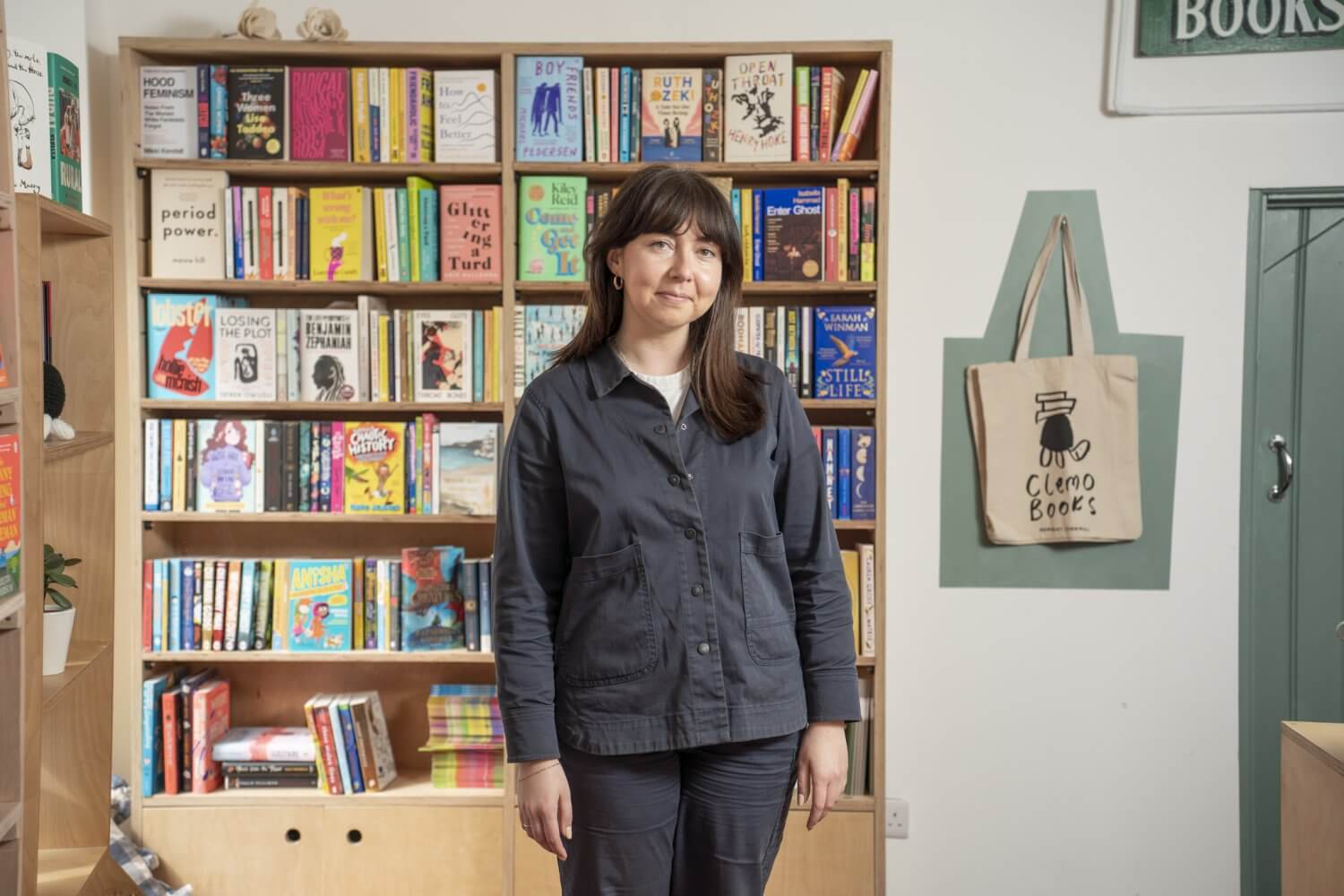
“I’ve created a community of people who’ve found friendship over books. People want to be a part of something – and the high street is a wonderful place for that community.”
Jaimie Poyner
Owner of Clemo Books
2. Choose a business structure
All businesses, even side hustles, require you to have a decent understanding of business legal structures. This affects how you pay tax and report your earnings to HMRC.
There are three types of business structure to choose from (but most side hustles start as sole traders):
- sole trader
- partnership
- limited company
3. Find funding
You may already have the funds to start your side hustle – especially if you’re starting small. But if you’re already thinking big, then this is the perfect time to look into business grants, or even crowdfunding, to get a bigger budget.
Jaimie shares her experience of being awarded funding as a young entrepreneur after university:
“The crowdfunder was so exciting but a lot of work. I raised £8,000 in roughly four weeks from people who believed in Clemo Books. It was affirming and great PR as we secured quotes of support from fabulous authors and poets all over the country.
“I also received funding from a local scheme as I was under 30 years old when I opened the bookshop, which I used for signage.”
Clemo Books has also secured funding from the Penguin Children’s Bookshop Grant. Working in partnership with the local library and council, Jaimie plans to use this money to host free author-led events for children in the summer holidays.
A business plan or a simple lean business canvas can help you note down your ideas and – importantly – how you’re going to bring them to life.
4. Believe in your idea (because it will take work)
Kirsty says you have to be “slightly delusional in the best possible way” because it’s your dream and you have to believe in it.
She explains how mindset is so important for keeping you going when trying to juggle everything: “No one is going to believe in your business as much as you – so you need to really be invested and work hard.”
Founder tip: keep reminding yourself of your vision and stay focused. Kirsty’s mindset helped her keep going even when things got difficult.

“My advice would be to fully commit. You can’t go into it half-hearted. I genuinely don’t believe in luck – I believe in consistency, determination, and hard work.”
Kirsty Marie Harvey
Owner of KM Stationery and Design
5. Set boundaries early on
Running a side business alongside employment is a lot of work and often comes with sacrifices along the way. It’s important to make sure you set realistic goals for yourself and your business around everything else so you don’t get overloaded.
Kirsty told us that it was ultimately experiencing burnout that led her to reassess her priorities and go all-in with her design business.
She recommends to “set boundaries early, because building a business can consume every part of your life if you let it.”

Protect your business from the start
Make sure that you find a healthy work-life balance in order to get the most out of your side hustle. And even if you’re only trading part-time, it’s important to make sure you’re protected against the unexpected. Insurance helps cover you against the everyday risks of running a business such as accidents, damage, and legal fees.
Promotion

6. Check your tax responsibilities
Everyone has a £1,000 tax-free trading allowance, so you don’t need to tell HMRC about any income if it’s less than that in one tax year.
But if your business does well and you’re likely to go over that threshold, make sure you’re registered as self-employed and that you file your tax return in January.
The government has a tool you can use to check if you need to pay tax on additional income. And our guide to side hustle tax has more on this.
Founder tip: Stay up to date with HMRC deadlines
Jaimie says: “At the start, you’re learning all the time. From new accounting software, to Making Tax Digital now, it’s all new. I wish someone had warned me about payment on account when going self-employed, that first one was a shock.
Payment on account is an advance tax payment due in January for the next six months (on top of the previous years’ tax bill), so newly self-employed people can often get caught out.
7. Build the hype and involve the community
Marketing and PR for your business is important from day one.
Create a basic launch plan for social media, email, and any other communication channels so you can start to build up excitement about your offering.
AI tools can help you come up with ideas and a simple plan for launch, explaining your mission and what makes your business special. And word of mouth can be incredibly valuable for small local businesses, along with a good local SEO strategy.
Jaimie speaks to the value of involving the community, testing the concept with a pop-up shop, and campaigning for investment from local people with a crowdfunder.
Side hustle trends in 2026
Running a business alongside other employment is a growing trend in the UK, according to Simply Business research.*

68%
People aged 25-34 have more than one income stream

48%
Almost half of people in the UK have a side hustle

24%
Started a side hustle in the last 12 months
Most popular and unusual side hustles
Selling clothes or household items online is the most popular side hustle, making up 25% of all side hustles. It rises to a third (33%) among over-55s.*
Side hustlers also reported a range of more unusual side passion projects:
- quiz mastering
- mystery shopping
- freelance fire performing
Final thoughts
Starting a side hustle is as much about mindset as a great idea. Do your research and meet your customers where they are – and a community focus could be your secret to success.
So now the question might be less about ‘how can I start a side hustle’ but rather: ‘do I have the determination to push through challenges on my own?’ Because if our side hustlers have shown us anything, it’s confidence and passion for your idea that can make all the difference.
And if calling yourself a small business owner feels like something only for ‘established businesses’, do your best to ignore the imposter syndrome and focus on building something you love in your local community. You never know how it’s going to go, but the rewards might well be worth it.
*Insight compiled from a survey of 2,000 UK adults (nationally representative) conducted by Censuswide for Simply Business in January 2026.
Censuswide abides by and employs members of the Market Research Society and follows the MRS code of conduct and ESOMAR principles. Censuswide is also a member of the British Polling Council.ur side hustle – as well as setting up your insurance cover to be fully protected against the unexpected.
More articles like this
- 5 business secrets from an Apprentice winner
- I quit my job to chase a creative dream – here’s what no one warned me about
- Side hustle secret: how I used spreadsheets to bake my way to success
- How much should I save for taxes? An accountant’s guide for business owners
Ready to set up your cover?
As one of the UK’s biggest business insurance providers, we specialise in public liability insurance and protect more trades than anybody else. Why not take a look now and build a quick, tailored quote?