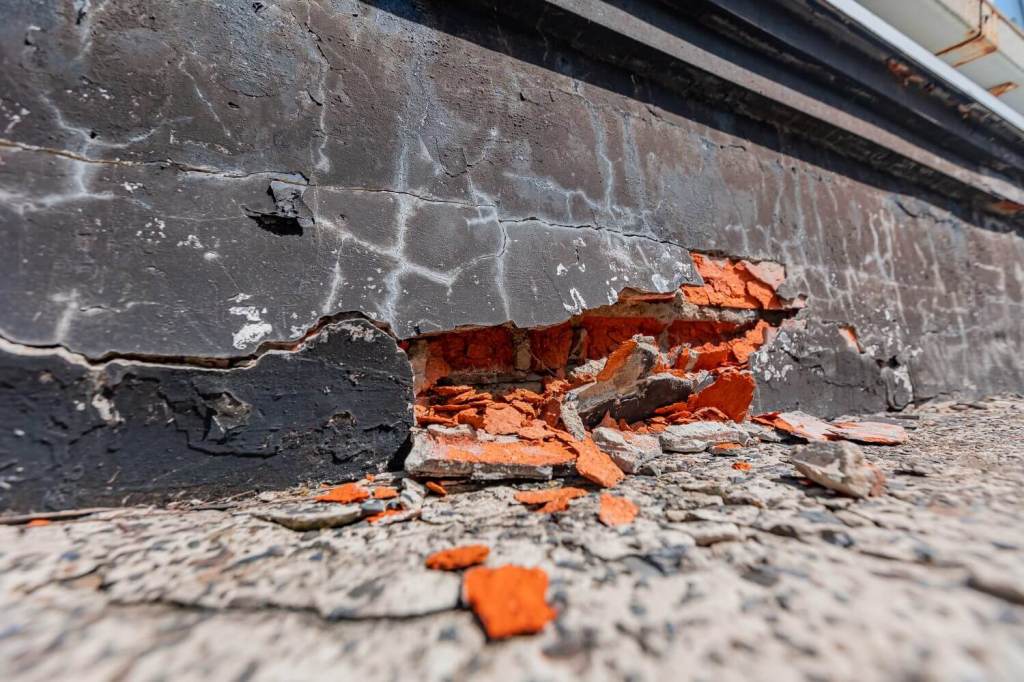


Quick answer: Subsidence is when the ground beneath a property sinks, putting strain on its foundations and causing structural damage. Hot, dry weather is the biggest driver in the UK – and with subsidence claims at Simply Business rising 47% in the year to July 2026, it’s more important than ever for landlords to know the signs.
Subsidence isn’t the kind of problem that announces itself loudly. It tends to happen quietly – a crack here, a sticking door there – until one day you’re faced with serious issues which may mean your property can’t be let.
New data from Simply Business reveals the average cost of a subsidence claim is £18,000. And with 2026 shaping up to be one of the UK’s hottest summers on record, the conditions that cause subsidence are becoming harder to avoid.
Simply Business has recorded a 47% rise in subsidence claims in the year to July 2026, with London and the South East among the most exposed regions.*
For landlords, this matters. Subsidence doesn’t just threaten your property’s structural integrity – it can affect your ability to rent it out, reduce its resale value, and complicate your insurance. Understanding what causes it, how to spot it early, and what to do about it could save you thousands.
What does subsidence mean?
Subsidence is where all or part of a building starts sinking into the ground. As the foundations shift, strain builds up across the structure – and that’s when cracks start to appear.
It’s worth distinguishing subsidence from heave. Heave is where the ground beneath a property rises rather than sinks, but both can rupture a building’s foundations and cause serious structural damage.

£18k
average subsidence claim cost

47%
increase in subsidence claims
(August 2025 – July 2026)
What causes subsidence in UK properties?
There are quite a few causes of subsidence, both geological and man-made. Mark Sharman, Claims Operations Lead at Simply Business, explains it plainly: “Subsidence occurs when the ground beneath a property dries out, shrinks, and shifts. As summers get hotter and drier, the conditions that cause it are becoming more common.”
Here are some of the main risk factors of subsidence:
- Clay soil – clay is more likely to shift (expand and shrink) during weather changes than other types of soil.
- Hot weather – drought and hot weather can dry out soil and cause the ground to shift.
- Tree roots – large trees and shrubs draw moisture from the soil. If they’re too close to your property, they can destabilise the ground around the foundations.
- Nearby mining activity – past and present mining activity can cause subsidence. Take a look on the Mining Remediation Authority’s website to see if your area is likely to be affected.
- Leaking water pipes – water escaping underground can saturate and shift the soil, weakening the ground beneath your foundations.
Older properties can also be more vulnerable if they were built with shallower foundations. That said, some older materials are more flexible and less prone to cracking than modern rigid builds – so it’s worth being cautious regardless of the age of your property.
How to spot the signs of subsidence
Catching subsidence early can make a real difference to how manageable – and how expensive – the problem becomes. Here’s what to look for.
What do subsidence cracks look like?
Not every crack is a cause for alarm, but certain characteristics should prompt a closer look. Subsidence cracks tend to be:
- more than 3mm wide
- diagonal in direction
- wider at the top than at the bottom
- visible on both the inside and outside of the property
- located near doors and windows
Other warning signs to watch for
Cracks in brickwork aren’t the only indicator. Other signs of subsidence include:
- plaster cracking or wallpaper crinkling – particularly in a diagonal direction or where it meets the ceiling
- doors and windows that stick or won’t close properly due to warped frames
- external doors that are difficult to open or shut
- cracks where an extension joins the main structure of the property
If you’re carrying out routine property inspections – which landlords should be doing regularly – these are exactly the things to check. Spotting them early gives you time to act before the damage worsens.
How to reduce the risk of subsidence
If you suspect your house might be likely to subside, there are steps you can take to limit the chances, including:
- Don’t plant large trees or shrubs too close to the building. Their roots can draw moisture from the soil right next to your foundations.
- Don’t remove existing trees without professional advice. Taking them out suddenly can cause the soil to become waterlogged or unstable.
- Prune trees near your property regularly. Keeping them in check reduces the amount of moisture they pull from the ground.
- Maintain your gutters, pipes, and external plumbing. Leaks and poor drainage are a common and preventable cause of subsidence.
These steps are particularly important during prolonged dry spells. As Sharman notes: “While another summer heatwave may feel routine, subsidence is a growing risk to UK properties, with London and the South East among the most exposed regions.
“For landlords in those areas especially, this is something to check routinely and act on proactively, as we continue to experience hotter and drier summers.”
What to do if you think your property has subsidence
If you notice the warning signs, don’t wait. Acting quickly gives you more options and may prevent further deterioration.
Fixing subsidence can involve several professionals depending on what’s caused it:
- a tree surgeon if root damage is a factor
- a surveyor to assess the extent of structural damage
- a building contractor for repairs or even underpinning
It’s also worth noting that in some cases, subsidence can’t be fully fixed. That’s why early detection matters so much.
If you suspect your property has subsidence, contact your insurer as soon as possible.

Is subsidence covered by landlord insurance?
Buildings insurance typically covers subsidence – meaning your insurer could pay for the cost of structural repairs. Contents insurance may also cover damaged fixtures and fittings or furnishings if the subsidence causes further damage inside the property.
As a landlord, relevant covers to consider include:
- landlord buildings insurance – covers the cost of repairing subsidence damage to the structure of the property
- landlord fixtures and fittings insurance – covers things like kitchens and bathrooms if they’re damaged
- landlord contents insurance – relevant if you let your property furnished
- loss of rent insurance – this can cover your rental income if tenants have to move out while repairs are carried out
Sometimes policies can exclude subsidence cover, so it’s important to read your policy documents and endorsements to check you’re covered.
All of these covers can be combined into a single landlord insurance policy through Simply Business.
What do you have to disclose when getting landlord insurance?
You must declare any known subsidence – or history of subsidence – when you take out a policy. If you don’t, your insurer can refuse to pay out on a future claim. Be aware that premiums can be higher for properties with a known subsidence risk or a previous claim.
Always read your policy documents carefully so you know exactly what’s covered and what conditions apply.
Promotion
Buying a property with subsidence
If you’re considering buying a property with potential subsidence, get a full structural survey before you commit. Some cases can be remedied, and if the location is strong and the property is otherwise viable, it might still be worth pursuing – but go in with a clear picture of the likely repair costs.
Subsidence can significantly affect a property’s selling price, so it’s worth factoring into any negotiation.
For more information, Geobear has subsidence area maps, while full data from the British Geological Survey includes a subsidence risk postcode checker for England and Wales.
Please note, this article should only be used as a guide. Buyers should always conduct their own research, or seek the help of a professional before making any decision.
Methodology: Insight compiled using an analysis of Simply Business subsidence insurance claims from August 2025 – July 2026
Frequently asked questions about subsidence
What is subsidence and how does it differ from heave?
Subsidence is when the ground beneath a property sinks, putting strain on the foundations and causing structural damage like cracking. Heave is the opposite – where the ground rises beneath a property. Both can damage a building’s foundations, but they have different causes and may require different remedies.
What are the most common causes of subsidence in the UK?
The most common causes are clay soil that shrinks in dry weather, hot and dry summers, tree roots drawing moisture from the ground near foundations, leaking underground pipes, and nearby mining activity. London and the South East are among the highest-risk regions due to their prevalence of clay soil.
How much does it cost to fix subsidence?
According to Simply Business claims data from August 2025 to July 2026, the average subsidence claim costs around £18,000. Costs vary depending on the severity of the damage and what’s required to fix it – from tree removal or pipe repairs to full underpinning of the foundations.
How can I tell if cracks are caused by subsidence?
Subsidence cracks tend to be more than 3mm wide, diagonal, and wider at the top than the bottom. They often appear near doors and windows, and may be visible from both inside and outside the property. Sticking doors, warped window frames, and crinkling wallpaper can also indicate subsidence.
Does landlord insurance cover subsidence?
Buildings insurance typically covers subsidence, paying for structural repairs to the property. As a landlord, you may also want loss of rent cover, which can compensate you if tenants need to move out during repair work, and contents or fixtures and fittings cover for damage inside the property.
More landlord guides and resources
- What tenants want in 2026 (and how often to decorate your property)
- Landlord responsibilities – a guide to property maintenance and repair
- Best buy-to-let areas in the UK
- What does landlord insurance cover?
Get set with tailored landlord cover
Over 200,000 UK landlord policies, a 9/10 customer rating and claims handled by an award-winning team. Looking to switch or start a new policy? Run a quick landlord insurance quote today.