

Selling online at a glance: To start an online shop and sell online, begin by choosing where you’re going to sell – either build your own website using an ecommerce platform like Shopify, Square, or Wix, or sell through an established marketplace such as Amazon, Etsy, or eBay.
Next, decide on your business model: making your own products, buying stock to resell, or dropshipping. If you earn over £1,000 from trading, register as self-employed with HMRC. Set up payment processing, arrange reliable shipping, and consider retail insurance to protect your business.
Retail is one of the world’s oldest trades. And thanks to technology, you no longer need a shopfront on a busy high street to build a thriving business. Selling online can connect you with customers across the country – or even the world – from your spare room.
But knowing where to start isn’t always easy. Which platform should you use? What do you need to do legally? And how do you ship your products?
This guide covers all of it. Whether you want to sell handmade goods, curate products from other suppliers, or build a full-scale ecommerce brand, here’s everything you need to know – plus insights from experienced business owners like Mimi of Tornados and Trinkets, Fiona of Soap Folk, and Ruby of Chhabra.
How do you choose the right online sales platform for your shop?
The first step is choosing where to sell. There are two main routes: building your own online store or selling through an existing platform. Both have their pros and cons.
Should you add an ecommerce platform to your existing website?
If you already have a website – or plan to build one – you can add an ecommerce platform to it. This gives you more control over your branding and how your shop looks, but it also means you’re responsible for driving traffic to it.
Some of the most popular options include:
- Shopify – a solid choice for small businesses, with plans starting at £19 a month, and the option to scale up as your business grows
- Square – works as both a point-of-sale system and an online store, so you can sell in person and online. Plans start from free, with a transaction fee of 1.4% plus 25p per sale
- Wix – lets you build a website and an online store in one place, starting at around £16 a month
Fiona McBryde, founder of Soap Folk, chose Shopify for her online store. “It feels like it’s become the industry standard and is used by a lot of our suppliers,” she explains. “It also offers great support and training, including AI tools, which are fantastic for non-techy users.”
Ruby Woloski, co-founder of Chhabra agrees, adding: “We went with Shopify because for us it came down to being able to get up and running without a developer. It’s a platform that scales as you grow and easily connects to everything else we use – from wholesale to email to analytics. As a small team, not having to reinvent the wheel mattered more than any single feature.”
Pros:
- Existing customers can find you easily
- You can build a strong, distinct brand identity
- You have full control over the customer experience
Cons:
- Requires some technical know-how
- You’re responsible for all your own marketing
- It can be harder for new customers to discover you
Should you sell through an existing platform?
Selling through a marketplace or social platform means you tap into an existing audience – which can make it much easier to get your first sales. But the trade-off is less control over how your shop looks and feels.
Platforms worth considering include:
- Amazon – choose between individual or professional seller plans, and either ship products yourself or use Amazon’s fulfilment service. But competition is fierce, so strong product descriptions and images matter
- Etsy – the go-to platform for handmade, vintage, and creative goods. It’s free to open a shop, but you’ll pay a fee per sale
- Instagram – a strong option if your products are highly visual and your target customers are aged 18 to 34. Plus it’s free to sell
- Facebook Marketplace and Facebook Shops – choose Marketplace if you’re selling locally (as it doesn’t accept online payment) or Facebook Shops if you want to link to Instagram
- Depop and Vinted – ideal if you’re selling clothing, vintage items, or handmade fashion
- TikTok Shop – a fast growing platform, TikTok Shop used to have a reputation for lower-quality products but has high reach and strong marketing potential
- eBay – while popular with individuals, you can also register as a business seller
- Pinterest – useful if your products are visual or aesthetic in nature
Pros:
- Quick and easy to set up
- Access to a large, ready-made customer base
- Built-in tools to help you manage listings and sales
Cons:
- You’ll be competing with many other sellers
- Less flexibility over branding and design
- You may need to redirect existing customers to a new platform
There’s no single right answer. The best platform is the one that puts you in front of your ideal customers without creating more admin than you can handle.
Mimi’s top Etsy tips
Fashion designer Mimi chose to launch her store, Tornados and Trinkets, on Etsy. She says: “I chose Etsy to set up shop because it has a lot of digital footfall. If I’m looking for something specific and unique, I’ll always look on Etsy first.”
Here are five of her top tips about opening an Etsy store:
- Use descriptive titles. Think about what your customers are searching for and use those words in your product titles. To identify which words to use in your listing, be as descriptive and specific as possible. I tend to use as many words as possible in my title while remaining sensical.
- Take great photos. Etsy is a visual platform, and bad photos can stop a great product from getting the attention it deserves. It takes time to get right – so don’t be too hard on yourself if it doesn’t come naturally at first.
- Be communicative. Let customers know when to expect their order and keep them updated if there are any delays. Transparency goes a long way in building trust. For example, I usually post on Wednesdays – but if I can’t do it on the usual day, I’ll contact the buyer.
- Stock your shop well. If someone loves one of your products, they’ll want to see more. A shop with only a handful of items can put customers off – so try to build up a solid range of products over time. When you’re starting your stop, I recommend adding at least three products for sale.
- Show your personality. My advice would be to put your personality into your shop, make sure your banner states exactly who you are and what you do.
Deciding what to sell
Once you’ve chosen a platform, you need to figure out your business model – in other words, how you’ll source and fulfil your products.
Making and selling your own products
If you make your own products – whether that’s handmade jewellery, candles, baked goods, or artwork – you’ll need a consistent process for creating and managing stock.
Fiona offers advice for creators: “Start lean and monitor behaviour. Knowing how much stock to hold early on can be really challenging, but reviewing your orders can help you to spot trends. The fun bit is working out how to influence habits.”
Working with other makers
If you’re not manufacturing your own products, your ecommerce business model could be based around direct to consumer sales. This generally means that you’ll buy stock from a supplier and keep it in your inventory until a customer buys it. You’ll then ship it directly to the customer yourself.
This gives you control over what you stock and when you ship – but it does mean spending money before you’ve made a sale, and you risk being left with unsold stock if a product doesn’t land well.
Dropshipping
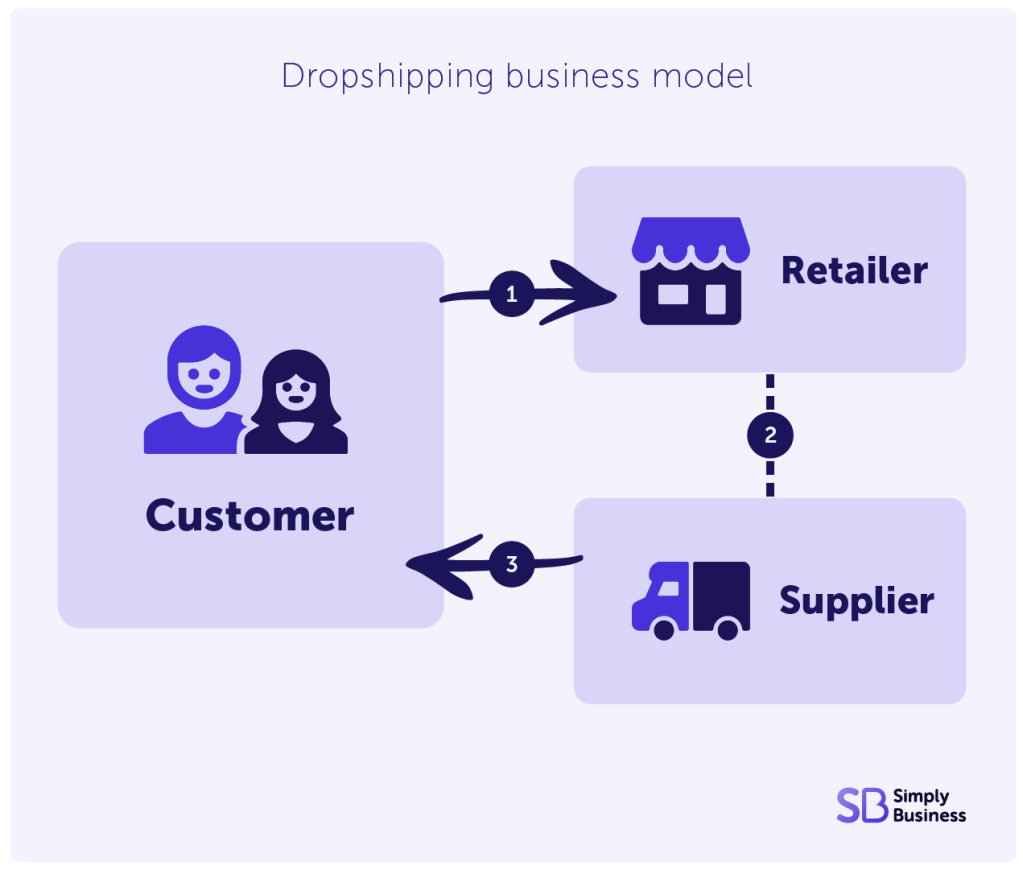
Dropshipping lets you sell products without ever holding stock yourself. When a customer orders something from your shop, your supplier ships it directly to them on your behalf. This model can work well for those focusing on selling trending products.
The upside is low upfront cost and no surplus stock risk. The downside is that you’re relying entirely on your supplier’s quality and delivery speed – both of which are out of your hands.
Finding and working with a manufacturer
If you’re designing your own products, but not making them yourself, you’ll likely need to work with a manufacturer. It’s a big step – and one that comes with its own learning curve.
Mimi from Tornados and Trinkets has been through this process with her Ita bag collections, successfully funding two Kickstarter campaigns and working with overseas factories. Here’s what she recommends.
1. Use a trusted third-party platform
Mimi advises using a reputable site like Alibaba (not to be confused with AliExpress) to find manufacturers. “All the manufacturers have been checked on there, but some have had more checks,” she says. “I always go for the fully verified manufacturers – they’re easy to spot because there’s a big blue label next to the name of the factory saying so.”
Fully verified manufacturers have had independent checks on their working conditions. Mimi adds: “The items will be a bit more expensive to buy, but I find the quality is often better.”
Even with verified suppliers, she recommends doing your own due diligence rather than taking things at face value.
2. Talk to at least three manufacturers before committing
Don’t go with the first factory you speak to. Mimi suggests having detailed conversations with at least three manufacturers to compare communication, responsiveness, and understanding of your brief.
She says: “You want to make sure you have an understanding and that they’ll answer you properly. There’s a big time difference when you’re working with people overseas, so it’s important you have good communication.”
3. Prepare a design pack before you make contact
This is the thing Mimi wishes she’d known earlier. “One thing I wish I knew when I first started working with manufacturers is being prepared with all the information.” She used to send a design and a few measurements, relying on back-and-forth conversation to fill in the gaps – which made the whole process much longer than it needed to be.
A design pack should include:
- detailed line drawings
- measurements
- fabric specifications
- hardware details and finishes
Having this ready before you start any manufacturer conversations can save you a significant amount of time and reduce the chance of miscommunication.
Once you’ve decided on an ecommerce model and stocked your shop, make sure you know how to properly price a product.
Should you sell direct to consumers or go wholesale?
Both models have their place, and many businesses use both.
Selling direct to consumers online typically offers better margins per unit, but it’s more time-intensive. Fiona puts it clearly: “Initially, direct-to-consumer can feel like it offers better ROI, but it’s more time-consuming and harder to predict.
“To give an example, you put a wholesale order for £500 in one box, but fulfilling that amount in direct-to-consumer orders takes so much more time and material.”
Think carefully about your stock level and consider back orders.
Wholesale accounts, on the other hand, tend to involve longer lead times and more relationship management – but the orders are larger and more predictable. If you’re weighing up the two, think carefully about your capacity and cash flow before committing.
On the differences between the two, Fiona adds: “We have more inventory for direct-to-consumer sales, meaning more to manage – and you don’t have the negotiation that you can have with a wholesale client, so it needs tighter inventory control.”
While the two have differences, Ruby views them as complementary, adding: “I’ve stopped thinking of them as competing. Being stocked in places like Selfridges, or on Faire, gets us in front of people who’d never have found us otherwise – and then people come back to buy from us directly.”

“Selling direct gives us the customer relationship, the data, and the margin to keep investing. One builds awareness, the other builds depth. The job is to make sure the brand feels identical whether someone finds us on those shelves or on our own site.”
Ruby Woloski
Co-founder of Chhabra
Taking online payments
No matter which selling platform you choose, you’ll need to know how to take payments online. Some platforms have built-in payment systems whereas others give you more control over what payment methods you can accept.
Some payment methods include debit and credit cards, bank transfers, and cryptocurrency – or you can use an online payment system like PayPal.
And whether you’re buying or selling online, it’s important to always watch out for online fraud and scams that target small businesses.
Shipping costs – how do you choose a courier for your small business?
Shipping is more than just getting a parcel from A to B. It’s part of your brand experience, and it can affect whether a customer comes back.
When choosing a courier, consider:
- what you’re shipping – large or heavy items narrow your options and increase costs
- where you’re shipping – not all couriers offer international delivery
- how fast – not all couriers offer next-day delivery
- how often – if you ship in volume, you may be able to negotiate better rates
Branding matters here too. Your packaging is often the first physical touchpoint a customer has with your business. Think about your boxes, tissue paper, and inserts. A handwritten thank-you note, as simple as it sounds, can go a long way.
Mimi from Tornados and Trinkets takes this seriously: “I package my products carefully with biodegradable or recyclable packaging and try to make it look as neat and exciting as possible when people open their parcel. This can help encourage positive customer reviews.”
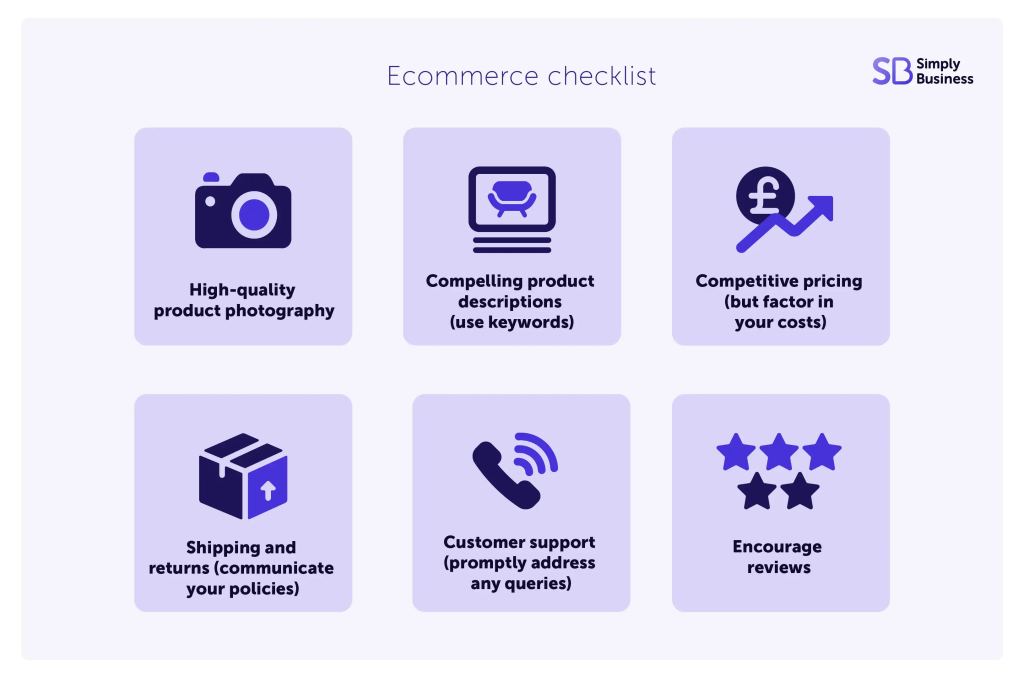
Make sure you also have a clear postage and returns policy. If you sell through a third-party marketplace, you’ll need to follow their rules. If you sell through your own site, you set the terms – but make sure customers can find them easily.
What are the legal requirements when selling online in the UK?
There are a few key legal obligations every online seller in the UK needs to know about.
The Consumer Rights Act 2015 sets out what traders must do when supplying goods to consumers – whether physical or digital products.
The Consumer Contracts Regulations 2013 gives your customers a 14-day cooling-off period, during which they can cancel an order for any reason and receive a full refund.
Online sellers should pay particular attention to the Digital Markets, Competition and Consumers Act (DMCCA), which protects consumers from unfair practices surrounding online selling.
Whereas the General Product Safety Regulation (GPSR) enforces strict rules for businesses selling products in the UK and EU surrounding product safety, traceability, and reporting.
What do you need to know about importing and exporting?
If you’re shipping goods across borders, you’ll need a commodity code – a legal document that tells customs authorities what you’re sending and its value. Using the wrong code can delay deliveries and result in extra fees.
You’ll also need an EORI number if you’re importing or exporting physical goods. This number identifies you to customs authorities. Unlike commodity codes, you only get one EORI number for your business.
What about selling to customers in the EU?
Since 2021, all commercial goods imported into the EU are subject to VAT – regardless of their value. This means you’ll need to collect VAT at checkout, declare it at customs, and submit VAT returns.
The UK government’s Import One-Stop-Shop (IOSS) lets you use a single VAT ID across all EU countries. It’s not mandatory, but it does simplify the process.
What taxes do online sellers need to pay in the UK?
As a self-employed seller, you’ll need to pay tax on your earnings. Depending on how your business is set up, this could include:
Keep records of your transactions throughout the year – it’ll make your annual Self Assessment much easier. And remember: the first £1,000 you earn is covered by the trading allowance and isn’t subject to tax.
Our guide to Vinted tax covers selling online as a side hustle.
Should you open a physical store as well as selling online?
Once your online shop is established, a physical presence can be a natural next step. It lets customers interact with your products in person and builds a different kind of loyalty.
Before committing to a permanent location, consider starting small:
- market stalls – low risk, great for testing demand in a local area
- pop-up shops – a popular option that lets you build customer relationships and gather real-world feedback
A physical store also means thinking about visual merchandising – how your products are displayed, the atmosphere you create, and how you draw customers in from the street.


What insurance do online sellers need in the UK?
Online retail insurance can be helpful when keeping your business protected. Some covers to consider include:
- product liability insurance – if your products cause injury or damage to a customer
- stock insurance – if something happens to your inventory
- business interruption insurance – if a theft or incident causes you to lose income
Promotion
What skills do you need to run a successful online shop?
Running an ecommerce business takes more than a good product. You’ll need a mix of creative, technical, and commercial skills – and you’ll probably be doing most of them yourself, at least at the start.
Some of the most important areas to focus on:
Product photography and presentation
On most platforms, your product photos are the first thing a potential buyer sees. Mimi from Tornados and Trinkets is direct on this: “If the photos are bad, the product doesn’t shine as it should.”
SEO and product listings
Being discoverable matters. Mimi spends time on her Etsy listing titles, using descriptive, specific language that mirrors how people search: “The title of my Ita bag is ‘Ethereal Dream “Sick Love” collection. Customisable multi-wear Ita Bag. Clear window for pin, badge, and keychain display.‘ I’ve added in the name of the bag but then finished with exactly what people would look for.”
These SEO (search engine optimisation) principles apply equally to your own website – use natural, specific language that reflects how your customers think.
Building reviews and reputation
Reviews build trust, and trust drives sales. Mimi focuses on reliability and care: she dispatches within a week, contacts buyers if there’s a delay, and checks each item before it ships. “It’s important to me to be transparent when the post is delayed,” she says.
Fiona McBryde of Soap Folk highlights how different the stakes are online compared to wholesale: “Shops can be understanding about order management, but an online customer can just leave a bad review.”
Managing your stock and packaging
One area new sellers consistently underestimate is packaging. Fiona’s advice: “Really consider from the off how your orders will get to the customer. Look at average order values and baskets, how people shop and buy together, and work this into your packaging plan.”
SKU numbers, standing for stock keeping unit, can be used to help you manage your stock better.
Social media as a sales tool
Don’t treat social media as separate from your shop – treat it as a driver of traffic to it. Mimi uses Instagram and other platforms to promote new designs and push followers to her Linktree, which links directly to her Etsy shop. She also posts outfit breakdowns to keep older designs in view.
Ready to start your own shop? Ruby puts it best with her advice: “Start before you feel ready and treat the whole thing as iteration. Your first version won’t be your best, and that’s completely fine.”
Frequently asked questions
What’s the cheapest way to start an online shop?
The cheapest way to start is to use a free or low-cost marketplace like Etsy or Facebook Marketplace, which have minimal setup costs. Shopify’s entry plan starts at £19 a month for your own website. Keep costs low early on by starting with a small product range and lean stock levels.
Do I need to register as a business to sell online in the UK?
It depends on your earnings. If you sell occasionally and earn less than £1,000 a year, your income falls within the trading allowance and you won’t need to register. If you earn more than this, you’ll need to register as self-employed with HMRC and complete a Self Assessment tax return.
How do I drive traffic to my online shop?
Use a mix of SEO (descriptive product titles and descriptions), social media (to build an audience and drive clicks), and reviews (to build trust and encourage repeat purchases). If you sell on a marketplace like Etsy or Amazon, optimising your listing titles for search is especially important.
Do I need retail insurance if I only sell online?
Yes, even online-only sellers need cover. Product liability insurance can protect you if a product causes harm to a customer. Stock insurance covers your inventory if something goes wrong. And business interruption insurance can help if an incident stops you from trading.
Ready to set up your cover?
As one of the UK’s biggest business insurance providers, we specialise in public liability insurance and protect more trades than anybody else. Why not take a look now and build a quick, tailored quote?