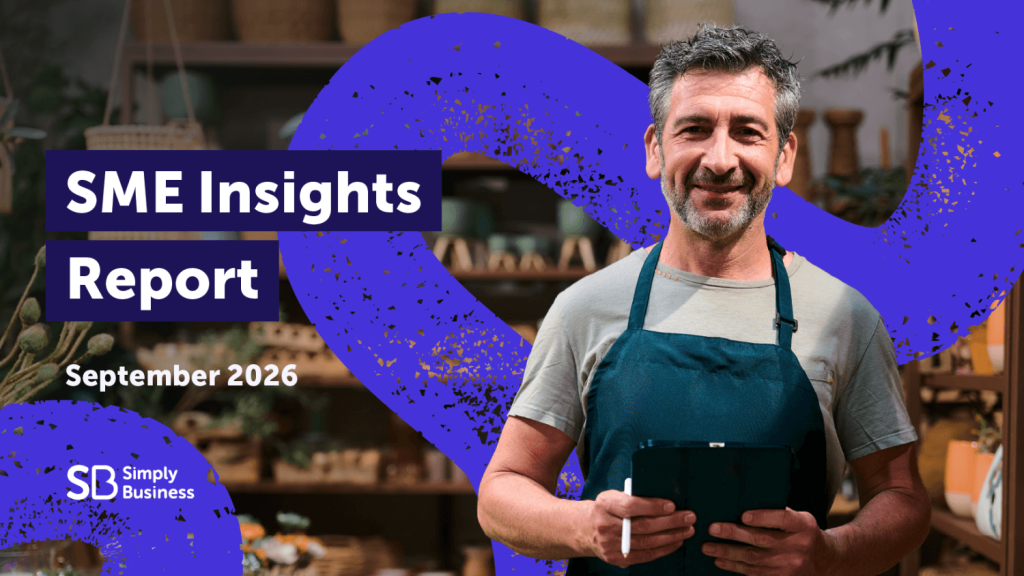

Running a small business in 2026 requires unprecedented levels of adaptability. From rising operating costs to uncertain consumer demand, UK business owners are navigating a complex environment.
Our 2026 SME Insights Report draws on a survey of almost 2,000 UK small business owners, delivering a detailed analysis of the challenges, operational shifts, and ongoing resilience across the sector.
You can download the full report for an in-depth look at what it’s like to run a small business in the UK today.
Economic uncertainty and uncertain consumer demand top business concerns
When asked to name their three biggest challenges, small business owners highlight that broader economic conditions are making planning difficult. Almost half (48%) of respondents said an unpredictable economy and financial uncertainty are one of their primary barriers – a steep increase from 16% in 2025. And 65% of business owners state that frequent political policy shifts directly impact their long-term business strategy.
Further barriers cited by small business owners include a lack of or uncertain consumer demand (41%) and high running costs such as energy bills (35%). Despite these concerns, confidence appears to have improved slightly, with 2 in 5 (43%) expecting the economy to worsen over the next 12 months, down from 50% in 2025.
Small businesses are adapting
Operating expenses continue to weigh heavily on UK small business owners. A survey conducted ahead of this year’s Spring Statement found that 82% of small businesses have seen their operating costs increase over the past 12 months, driven largely by raw material costs, higher overheads, and rising utility bills.
To handle these pressures, small business owners are adapting in two main ways:

82%
absorbing costs

57%
adjusting prices
What small business owners want from the government
With financial pressures piling up, small businesses are calling for targeted policy changes to relieve the tax burden and support long-term growth.
When asked what government actions would have the most positive impact in our Spring Statement survey, small business owners highlighted:
- reducing corporation tax (27%)
- increasing the VAT registration threshold (24%)
- raising the employer National Insurance threshold (20%)
- maintaining or increasing business rates relief (19%)
As chartered accountant Fi Titus notes in the report, high tax thresholds can unintentionally act as a brake on business expansion: “So many businesses are actively turning clients away to avoid crossing that VAT threshold – telling us that the current system is acting as a brake on growth.”
The cost of hiring is a barrier
“For me, general stability and reducing the cost of employing people would make the biggest difference. I want to grow and create jobs, but taking on my first full-time employee is a huge financial commitment. Anything that reduces that initial cost and uncertainty would make it much easier for a small business to expand.”
Ryan Sullivan, founder of bespoke carpentry business Swyft Services
Purpose, side hustles, and optimism for the future
Despite the financial headwinds in the past year, the spirit of UK entrepreneurship remains remarkably strong. Over half (54%) of small business owners remain confident about their business’s prospects over the next 12 to 18 months.
When asked what motivates them, business owners cited personal fulfillment far above purely financial goals:
87%
say running their business gives them a deep sense of personal meaning and accomplishment
75%
rank the freedom of being their own boss as the most rewarding aspect of self-employment

52%
find their greatest motivation in seeing customers enjoy their product or service
Just 22% cited financial necessity as their reason for starting a business.
This drive for independence is also fueling the rise of secondary income streams, with 45% of UK adults now running a side hustle.
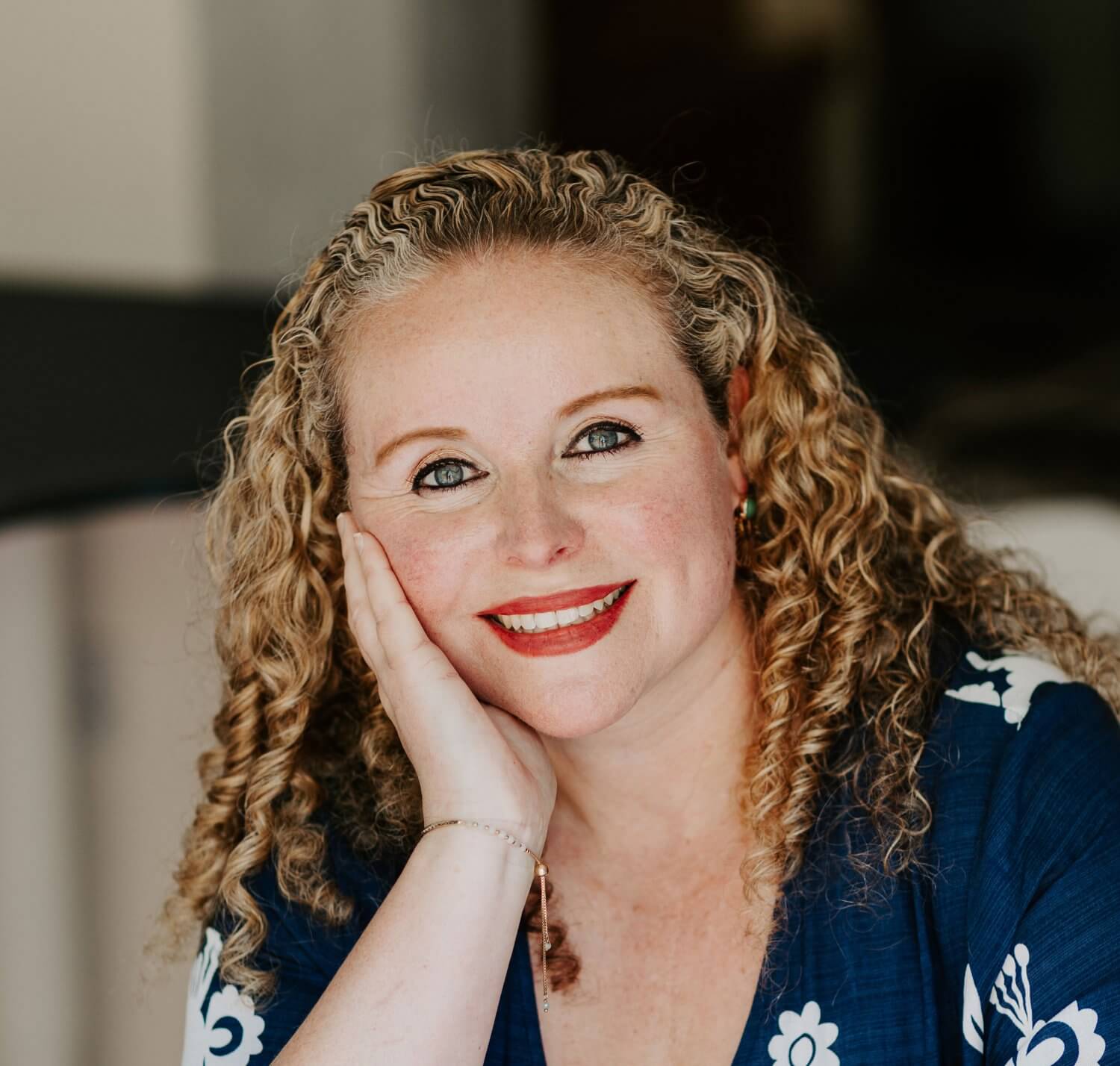
“Small-business ownership can make you feel successful and financially vulnerable in the same week. There are still moments when I wonder where the next payment will come from because income can be uneven.
“More proportionate tax and National Insurance support for microbusinesses would make a meaningful difference, particularly during the early stages of growth. A tax bill that may look modest within a larger organisation can remove a microbusiness’s entire budget for training, systems or professional support.”
Fay Phillips-Jones
Founder and HR Career Coach at Coaching With Fay
‘Impressive resilience and adaptability’
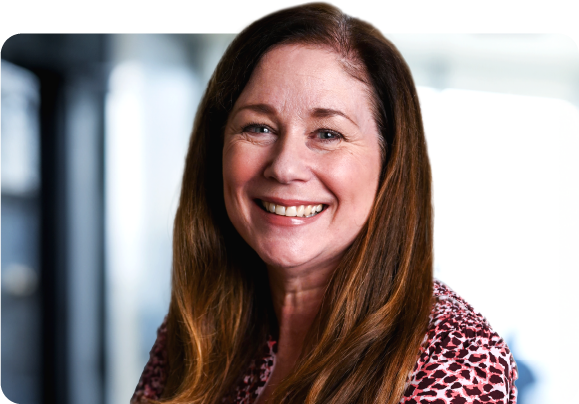
“As a country, we’ve now seen five prime ministers in four years. This unpredictability in government is making it difficult for businesses to plan ahead, with 65% saying frequent policy changes impacts their long-term planning. It’s encouraging to see the government considering how to tackle the cost of living and business rates. But they need more than promises.
“This year’s SME Insights Report continues to show the impressive resilience and adaptability of small business owners in the UK. It’s clear that many owners feel connected by something deeper, with the majority stating that the freedom to be their own boss is what they find most rewarding. I’m backing our nation’s small business owners to find a way to win and come out on top.”
Julie Fisher
Simply Business UK CEO
Methodology
We surveyed 1,842 UK small business owners in the UK between 30 July 2026 and 7 August 2026. We also included our ‘Spring Statement’ study of 1,000 Simply Business customers between 5 February and 12 February 2026 and a further study of 2,000 UK adults (nationally representative) conducted by Censuswide for Simply Business in January 2026.
The dataset includes businesses of all sizes and industries, from tradespeople to high street shops and sole traders to larger limited companies. The data can be used as an indicator of the health of the UK’s SMEs in 2026.