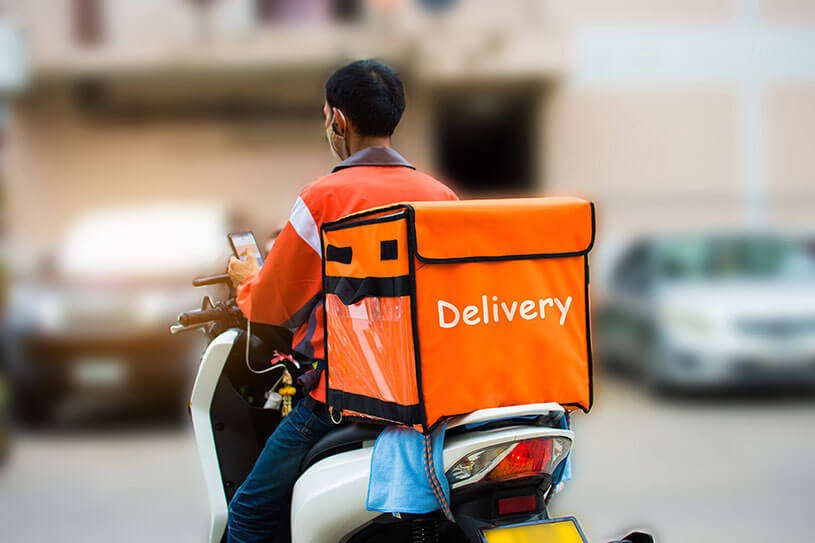


Side hustles are booming in the UK as new research reveals almost half of the UK now runs a business alongside full-time employment.
The consumer survey from Simply Business shows that 4.9 million* side hustlers will complete a Self-Assessment tax return for the first time this year, but a further two million** remain unsure about whether they need to submit one at all.
But what exactly are your tax obligations if you run a side hustle? And how do you report income to HMRC?
Paying tax to HMRC
Earning money that isn’t taxed through PAYE – if it’s a freelance gig or any other form of self-employment – means you’re responsible for reporting your income and expenses to HMRC.
This involves:
- registering for Self Assessment
- filing your tax return and paying your bill
- understanding changes coming in with Making Tax Digital roll out
Read more about second job tax.
So, your side hustle is making money? That’s amazing news! But that means you might need to start paying tax. This short video covers when you need to start paying tax – plus how you do it and what could happen if you don’t.
Trading income reporting threshold will increase to £3,000 – but not yet
HMRC has announced plans to triple the income tax Self Assessment reporting threshold from £1,000 to £3,000 by the end of this parliament (which will be no later than August 2029).
Currently, anyone with a side hustle who earns more than £1,000 needs to submit a Self Assessment and pay tax each year. The new threshold means that you won’t need to submit a Self Assessment unless you earn more than £3,000 – but you’ll still have to pay tax on anything over £1,000.
What if I earn between £1,000 and £3,000?
You’ll still need to pay tax if you earn between £1,000 and £3,000. But instead of completing a full Self Assessment, you’ll instead report and pay your tax through a ‘new simple online service’.
While the specifics are yet to be revealed, HMRC has announced that the new threshold will benefit up to 300,000 people.
In summary, the new changes mean that if you earn:
- under £1,000 each year, you won’t pay tax or report your earnings to HMRC
- between £1,000 and £3,000, you still pay tax but won’t submit a full tax return – instead completing a new simplified online version
- over £3,000, you’ll continue paying tax and reporting your earnings through Self Assessment
Is the trading allowance changing?
No, the trading allowance isn’t changing. This will remain at £1,000. As a reminder, the tax-free trading allowance means you can earn up to £1,000 a year before reporting and paying tax.
The Side Hustle Allowance – a tool for economic growth?
Our joint study with The Federation of Small Businesses recommended that the tax-free trading allowance should be doubled to £2,000 to support the next generation of small businesses and fuel economic growth.
A significant portion (28 per cent) of young people have a side hustle, with Londoners having the greatest percentage of side hustlers (40 per cent).
But the report found a number of significant blockers for young people looking to launch a business. Almost two thirds of young people dream of becoming entrepreneurs, but only 16% are actually getting started.
Increasing the tax-free trading allowance (and rebranding it as the Side Hustle Allowance) means more people – and young people in particular – have a smooth start to their side hustle activity, promoting greater levels of entrepreneurial activity.
‘The tax burden for side hustlers has not changed’
Is increasing the reporting threshold enough to help the UK’s side hustlers?
Julie Fisher, UK CEO of Simply Business, says: “While reducing the level of paperwork expected from the UK’s smallest businesses is a positive update, the tax burden for side hustlers has not changed. The tax-free trading allowance, frozen at £1,000 for over seven years, hasn’t kept up with inflation.
“Increasing the trading allowance would empower the nearly half of Britons (48 per cent) who are balancing a side hustle for extra income to grow their side hustle, retain more of their earnings, and potentially turn their passion project into a full-time job.
“Our economic growth depends on the success of an innovative and resilient community of entrepreneurs, including side hustlers, small businesses, and the self-employed. While this change is a step in the right direction, for many the change falls short of demonstrating the government’s full commitment to supporting entrepreneurs.”
HMRC introduces new tool to check tax obligations for side hustle earners
Increasing the reporting threshold isn’t the only side hustle tax change that’s happened recently.
HMRC has launched an online tool to help those with a side hustle better understand their tax obligations. This is because, since January 2024, many popular side hustle platforms have been required to report how much money users are making on their platforms to HMRC.
This means that authorities will have the same visibility of income for those who earn money on these digital platforms as they would a traditional business.
The online tool is helpful for those who:
- sell goods or services online
- sell their personal possessions online
- create content
- rent out property online
For more information on how tax applies to your side hustles, you can use the online tool.
If the tool shows that you do need to pay tax, you’ll be expected to submit your own tax return and pay your taxes as usual. It’s important that the information you submit on your tax return is accurate, as HMRC will be able to cross check this information with the numbers provided by the digital platforms.
The changes will only affect those who aren’t reporting, or are underreporting, their income to HMRC. These changes come as part of wider regulations to combat tax avoidance, specifically for those who earn additional income from working side hustles as part of the gig economy.
Who do these side hustle tax reporting changes affect?
Whether you earn an additional income as part of a side hustle or make your full living through freelance work on these platforms, the HMRC side hustle tax changes will apply to you.
Some of the type of work affected by the changes include:
- food delivery workers using apps like Uber Eats and Deliveroo
- those selling their products on digital marketplaces like Etsy
- taxi and private hire drivers on apps such as Uber
- those renting out short term properties or offering experiences on Airbnb
- freelancers finding work on platforms like Upwork and Fiverr
- selling your own possessions on eBay and Vinted
Find out more about the rules for reporting tax for digital platforms on the government website.
Selling goods and services online – when do you need to pay?
If you’re regularly selling clothes on apps such as Vinted, Depop, or eBay, there’s a chance you may tax on your earnings if they’re more than £1,000 in a year.
This all comes down to whether or not you’re classed as a trader. For example, if you’re using these apps to sell your personal possessions for less or the same price as what you originally paid for them, you’re unlikely to be considered a trader. This means that you won’t need to pay tax on your sales.
However, if you have a side hustle of sourcing and reselling second hand clothes, you’ll likely need to pay tax. This is because you’re aiming to make a profit on the clothes you sell, making you a trader.
This doesn’t only apply to clothes and could include any item you regularly sell for a profit (including that you make). It also includes services you provide, not just items.
You can find out more information about selling online and the tax you need to pay here.
HMRC also has a helpful video which explains who’ll need to be paying tax under these new changes.
Additionally, if you sell an item you own for a profit and it sells for over £6,000, you may have to pay capital gains tax.
The important distinction is: if you’re selling items for a profit then you’ll be classed as a ‘trader’ and need to pay tax on your earnings.
The government’s ‘tax help for hustles’ campaign has more information on this topic.
Example: selling on Vinted
Sales on Vinted aren’t generally taxed unless you’ve made a profit (you earned more than you paid for the items). And even then, you may be able to use your capital gains tax-free allowance (currently £3,000) to off-set any taxable income.
Vinted says it will automatically contact sellers if you’ve made 30 sales or more and/or made more than £1,700 in sales within a calendar year. You’ll be asked to complete a sellers report but it doesn’t necessarily mean you’ll need to pay tax on your sales.
Who needs to report their side hustle earnings?
The tax-free trading allowance is £1,000. This means that if you’re earning over £1,000 from your side hustle, you’ll need to pay and report tax on your earnings.
However, the Self Assessment reporting threshold will increase to £3,000 before the end of this parliament (which will be 2029 at the latest). If you earn between £1,000 and £3,000, you’ll instead complete a ‘new simple online service’ to report your earnings.
Remember that the tax-free trading allowance covers multiple forms of income – so if you’re selling products on eBay as well as delivering food through Uber Eats, it all shares the same £1,000 limit. The same goes for the income tax Self Assessment reporting threshold.
Anyone working, part-time or full-time, on a self-employed basis (including through a side hustle) and earning over £1,000 will need to be paying tax on their income.
What is the gig economy?
Side hustlers are part of the gig economy. The gig economy is another term for those working freelance jobs or those with a side hustle alongside full time employment. This flexible way of working is becoming more popular as workers prioritise the importance of a healthy work-life balance.
While some people become a part of the gig economy and take on a side hustle to earn some extra cash, for many, it’s a way to take control of their career.
Paying tax on your side hustle – a quickstart guide
When you’re running a side hustle, you need to make sure you’re fully aware of what goes into paying tax as a self-employed person.
If you’re working a side hustle on the side of additional full time work, make sure you’re aware of the second job tax rate.
From registering for Self Assessment to completing a tax return, learn how to do a self-employed tax return here.
You won’t need to report and pay tax on your side hustle until you hit the £1,000 tax-free allowance. But at some point before 2029, this will change and you won’t need to submit a Self Assessment until you start earning £3,000.
And of course, make sure you’re registered as self-employed with HMRC.
More guides on running a side hustle
- How to start a side hustle
- What is a freelancer and how can you become one? A step-by-step guide
- Is work life balance possible when you have a side hustle?
- What type of business insurance do I need?
Insight compiled from a survey of 2,000 UK adults (nationally representative) conducted by Censuswide for Simply Business in January 2026.
Censuswide abides by and employs members of the Market Research Society and follows the MRS code of conduct and ESOMAR principles. Censuswide is also a member of the British Polling Council.
Estimated number of people completing tax self assessment for the first time is based on ONS UK population figures and the respondents from a survey of 2,000 consumers who said they would be completing a tax self assessment for their side hustle for the first time this year (n=910).
ONS mid-year population figure (2024) for those aged 18+ = 55,022,253 / by 100 x 45.5% of respondents with a side hustle = 25,035,125
*25,035,125 x 0.1967 (19.67% – percentage of side hustlers who said they are completing a tax self assessment for the first time this year) = 4,924,409
**25,035,125 x 0.0912 (9.12% – percentage of side hustlers who said they are unsure about whether they are required to complete a tax self assessment this year) = 2,283,203
Looking for self-employed insurance?
With Simply Business you can build a single self-employed insurance policy combining the covers that are relevant to you. Whether it’s public liability insurance, professional indemnity or whatever else you need, we’ll run you a quick quote online, and let you decide if we’re a good fit.