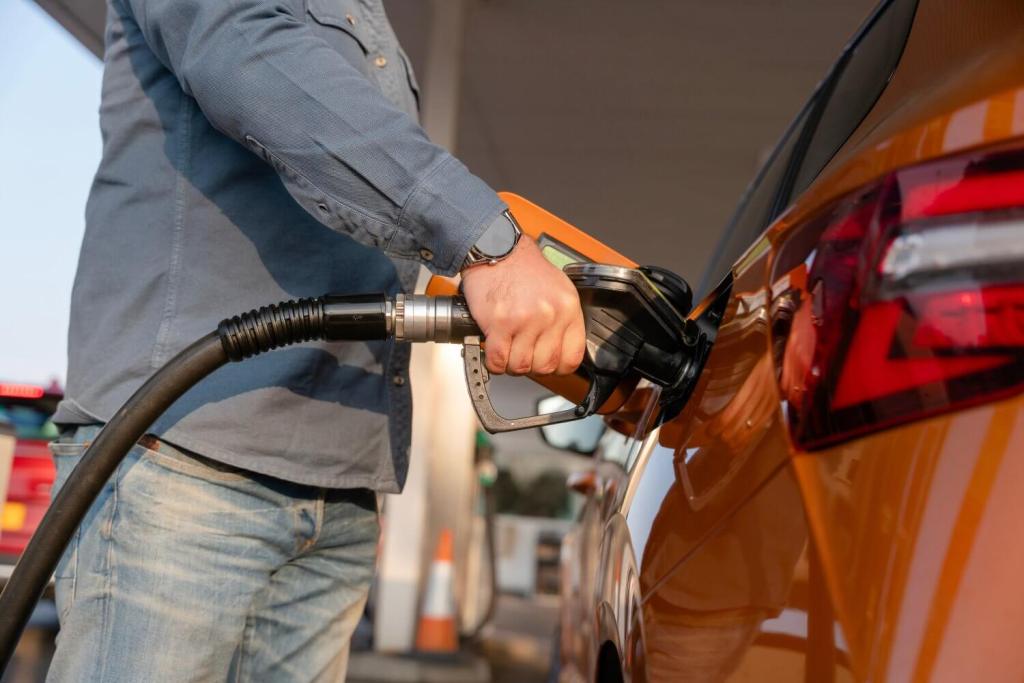

The government’s Fuel Finder scheme has officially launched, forcing petrol stations to share their current prices with third parties like navigation apps, online fuel finders, and breakdown services – allowing drivers to finally access the best deals at the pump.
This new open data initiative puts the power back in the hands of the motorist giving them greater transparency around costs while potentially reducing unfair pricing at stations across the country.
How real-time data will help you find the best deal
Finding the cheapest fuel in your area used to be a guessing game. Now, retailers must share their live prices with a central database within 30 minutes of them changing.
It means you can check the exact price of petrol or diesel at every station on your route before you make a journey.
The Competition and Markets Authority (CMA) says the change allows “drivers to find the best deals and spur competition as fuel retailers compete for customers”.
Retailers will have to fight for your business, potentially lowering prices across the board. By making pricing more transparent, the scheme aims to stop prices from rising quickly when oil costs go up but falling slowly when they drop.
Tools that use Fuel Finder data
The government doesn’t have its own app for this. Instead, they provide the data to apps you likely already use.
Some of the places you can find the latest fuel information are:
- Fuel Finder – a free site that shares current fuel prices, data on price history, and a list of the stations amenities
- PetrolPrices – an popular app for comparing local forecourts
- sat-nav systems – navigation apps like Waze now integrates live pricing data
- RAC and AA apps – both breakdown services offer fuel finder features
The impact on your profit margins
The government estimates this initiative will save the average household £40 a year. But for a small business running a van or a small fleet, the savings could be much higher.
Motoring groups have found price differences of up to 20 pence a litre depending on location. On a standard 55-litre van tank, that’s a difference of £11 per fill-up.
If you fill up weekly, that variance adds up to over £500 a year per vehicle – which could be a lot for a business operating on tight margins.
Why price tracking is essential in 2026
Keeping an eye on fuel costs is about to get even more important. The long-standing five pence cut to fuel duty is set to end in September 2026.
This means the price at the pump will likely rise later this year. The current rate of 52.95 pence a litre will increase to align with inflation from April 2027.
With these hikes on the horizon, using data to find the cheapest forecourt isn’t just a bonus – it’s a necessary business habit.
More useful guides for your small business
- What does business van insurance cover?
- What van should I buy?
- The best small vans for your business
- MOT checklist for you business vehicle
Ready to set up your cover?
As one of the UK’s biggest business insurance providers, we specialise in public liability insurance and protect more trades than anybody else. Why not take a look now and build a quick, tailored quote?