

Quick answer
- there’s no maximum indoor temperature for rental properties in the UK. But under the updated Housing Health and Safety Rating System, excessive heat is classed as a major hazard. The law focuses on whether the property’s condition – such as trapped heat from painted-shut windows or broken extractor fans – creates a genuine health risk to a tenant
- to keep your rental property legally compliant, focus on maintaining proper ventilation, providing adequate shading, making sure the building’s insulation deflects heat, and checking that heating controls are fully responsive
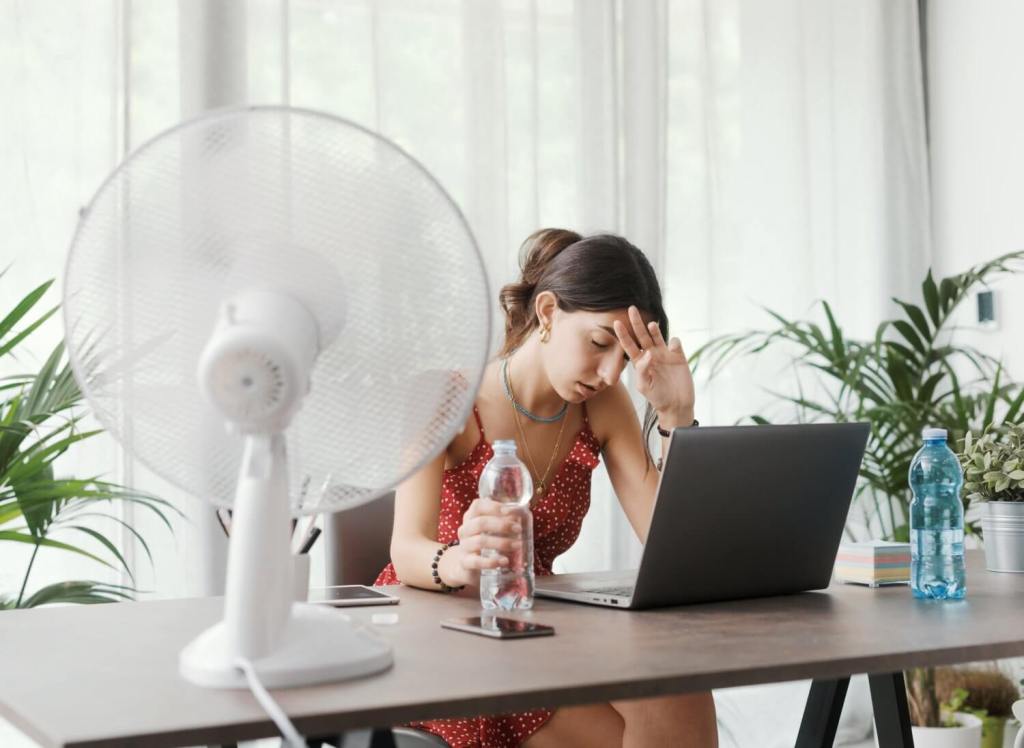
After weeks of record-breaking heat across the UK, many renters are stuck in uncomfortably hot and humid homes. But at what point does uncomfortable heat become a legal issue? How warm is too warm for a rental property?
Find out what the law says about heat in rental properties, some of the things you can do to reduce the risks, and how your insurance can help when all else fails.
What the law says about heat in rental properties
While there’s currently no statutory maximum indoor temperature for rental properties in the UK, the law does offer protection to tenants against severe heat. Instead of relying on a specific temperature, the legal framework focuses on if a property’s condition creates a genuine health risk to tenants.
The updated Housing Health and Safety Rating System (HHSRS)
The HHSRS is the risk-assessment process local authorities use to evaluate housing conditions. In June 2026, the system was completely revamped. While the total number of trackable hazards was reduced from 29 to 21, excessive heat remains a critical hazard.
The hazard grading system has also been replaced with a simpler high, medium, and low scoring system. So if excessive heat in your property scores as high (a category 1 hazard), your local council has a legal duty to take enforcement action against you.
Understanding the excess heat hazard
Under the HHSRS, excess heat is defined as a threat to health from excessively high indoor air temperatures. Vulnerable tenants – like the elderly, young children, or those with cardiovascular and respiratory conditions – are at the greatest risk.
It’s important to note a property getting warm during a summer heatwave doesn’t automatically amount to hazard. But if the property’s design, poor maintenance, or specific defects trap heat and make the home unreasonably hot, the landlord is liable.
Issues like painted-shut windows, unshaded south-facing glass, and a lack of proper ventilation are common issues with properties that lead to excessive heat.
The updated HHSRS guidance encourages landlords to adopt passive cooling approaches before resorting to energy-intensive solutions like air conditioning. This involves looking at the building’s structural ability to deflect heat and ventilate hot air naturally.
The Renters’ Rights Act and Awaab’s Law
One of the key measures in the Renters’ Rights Act is Awaab’s Law – a UK legal duty requiring social landlords to address severe housing hazards within a strict timeframe. After being rolled out with social landlords, the law will be expanded to include private landlords too (likely in 2027).
This means a tenant complaining about a hot rental property must be taken seriously. Under Awaab’s Law, not addressing these concerns could easily lead to legal action against you. Once Awaab’s Law is introduced, you’ll be legally required to investigate the issue (often within 10 days for significant hazards) and physically begin repairs shortly after.
And because the Renters’ Rights Act abolished Section 21 no-fault evictions, tenants can feel more confident reporting issues with your rental property without fear of being evicted in retaliation.
A property checklist for excessive heat
There are measures you can take to make sure your rental property can handle the heat. When you’re next inspecting your property, checking the following things can give you peace of mind that your property is prepped for a heatwave:
1. Ventilation and airflow
- window functionality – do all openable windows function correctly? Make sure none are painted shut, broken, or locked without a key available to the tenant
- safety restrictors – for windows above the ground floor, are functioning child-proof restrictors fitted? These must prevent falls while still allowing for adequate ventilation
- extraction – are extractor fans in the kitchen and bathrooms fully operational? These are vital for removing hot, humid air generated by cooking and bathing before it spreads through the house
2. Shading and glazing
- direct sunlight management – do south or west-facing windows feature adequate shading? Providing internal blinds or heavy curtains can stop temperatures rising in the property
- window tinting – for properties with large expanses of glass (like conservatories or floor-to-ceiling patio doors), consider applying UV or heat-reflective window films
- external shading – where reasonable, consider the addition of external shutters, awnings, or even planting strategic vegetation/trees outside to cast shade over the property
3. Insulation and building structure
- loft insulation – is the loft adequately insulated? Good insulation is a two-way street – it keeps the property warm in winter, but it also stops intense heat from baking the property through the roof in the summer
- pipework – are hot water pipes and heating cylinders properly lagged (insulated)? Uninsulated pipes can radiate a massive amount of unwanted ambient heat into living spaces
- exterior finishes – if you’re planning exterior maintenance, opting for lighter-coloured external paints or surfaces can help reflect heat away from the brickwork
4. Heating controls
- thermostat control – can the tenant control the central heating system? Make sure the thermostats and radiator valves are responsive so the system doesn’t accidentally pump out heat during warm weather
- air conditioning – if everything else is in order, but the temperature continues to climb at the property, you could consider portable or fixed air conditioning

How landlord insurance can help handle the risks of excessive heat
Insurance can’t prevent a heatwave from affecting your tenants, but the right cover can make recovery a lot easier if something does go wrong. Greg Caswell-Smith, Insurance Product Manager at Simply Business, shares the covers that could help.
The likelihood of fires dramatically increases during hot, dry weather. Landlord insurance can help support you in a variety of ways if the worst were to happen and there was extensive damage to your property from a fire.
Depending on how you build your policy, it could cover the costs of repairs to your property and as well as replacing its contents. And alternative accommodation can be arranged for your tenant while your property is being restored.
If you already have insurance but you’re not sure what you’re covered for, speaking to one of our experts before a heatwave is a lot less stressful than doing it after one.
Promotion
More guides for buy-to-let landlords
- New energy efficiency rules for rental properties
- Landlord responsibilities – a guide to property maintenance and repair
- Property viewing checklist: a guide for landlords
- UK house price predictions for next 5 years: a landlord’s guide
Get set with tailored landlord cover
Over 200,000 UK landlord policies, a 9/10 customer rating and claims handled by an award-winning team. Looking to switch or start a new policy? Run a quick landlord insurance quote today.