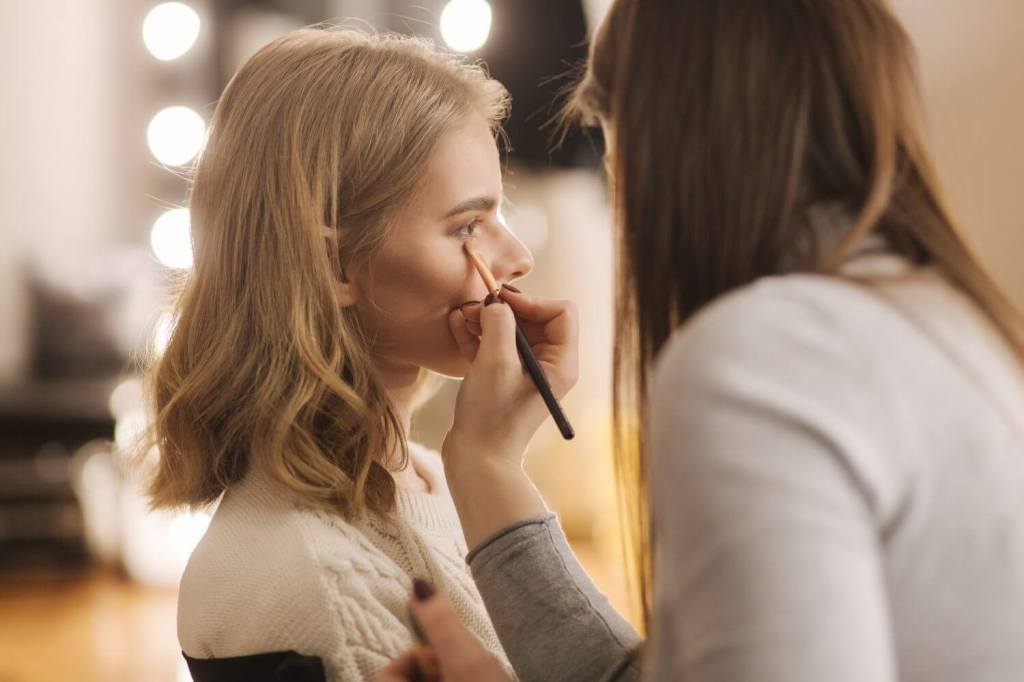

If you’re an eyeshadow expert or a contour connoisseur, becoming a makeup artist could be a brilliant career choice. It gives you the chance to run your own business, set your own hours, and work in exciting industries like film or fashion.
But turning your skills into a profitable business takes time and dedication. You need to understand the market, get the right training, and learn how to manage your finances.
To help you get started, we spoke with Petar Agbaba, Director at the Christine Blundell Makeup Academy, a renowned UK makeup academy specialising in film, TV, SFX, and professional makeup training. Read on for our step-by-step guide on how to become a makeup artist, featuring expert insights to help you succeed.
What does a makeup artist do?
A makeup artist uses cosmetics and artistic skills to enhance someone’s natural features or change how they look completely. They often work on a self-employed basis, travelling to different locations for their jobs.
Many makeup artists work at weddings and special events. Others find work on modelling shoots, theatre productions, and television shows.
If you work in film or TV, you might even use special effects techniques. This could involve making an actor look much older, or creating realistic injuries for an action scene.
How to become a makeup artist in 5 steps
Starting a new business can feel overwhelming. But if you break it down into manageable steps, you can set yourself up for success from day one.
1. Get the right training and qualifications
You don’t strictly need a degree to become a makeup artist. But formal training will give you a massive advantage when you start looking for work.
Petar said: “Formal training isn’t required, but work will be a challenge without it. Yes, there’s YouTube and TikTok to learn certain looks – but it’s not just about learning makeup looks. You need to understand the materials you’re using, particularly special effects, wigs, and facial hair.”
When choosing a course, Petar suggests looking closely at the teachers to see their specific experience. Make sure you ask where their previous graduates have ended up working, and what kind of support they offer after the course ends. You could look into university degrees, Level 3 diplomas, or even an apprenticeship to learn on the job.
London offers the UK’s biggest selection of makeup schools and beauty academies. Some makeup schools in London to consider include the:
2. Write a business plan
Because makeup artists can take on a wide range of jobs, it helps to specialise in one area. Do you want to focus on bridal makeup, or are you more interested in fashion editorials? Writing a business plan will help you figure this out.
A solid plan helps you identify your target market, understand your competitors, and set clear goals. It’ll also help you work out your initial costs and how much you need to charge to make a profit.
If you need help managing your money, you can read our guide on how to budget. Taking control of your cash flow early on is a vital step for any new business.
3. Register as self-employed
Once you start finding work, you need to tell HMRC that you’re running a business. Most freelance makeup artists set up as a sole trader because it is quick and easy to do.
You need to register as self-employed to make sure you pay the right amount of tax. You’ll then need to complete an annual tax return and pay income tax on your profits.
It’s important to keep track of your income and expenses throughout the year. If you want to learn more about key dates and filing, check out our Self Assessment deadline guide.
4. Get makeup artist’s insurance
Accidents happen, especially when you’re working closely with the public. It’sIt is important to get the right makeup artist insurance to help protect your new business.
You should consider public liability insurance, which can help cover legal fees and compensation if someone gets injured because of your business. You might also want tool cover to help protect your expensive brushes, palettes, and equipment if they’re lost, damaged, or stolen.
Promotion
5. Build your portfolio and find customers
Getting regular work is often the biggest challenge for new makeup artists. You need to build a portfolio to show potential customers what you can do.
Petar says: “Slowly create a social media presence and build a portfolio. These don’t need to be state-of-the-art websites or huge portfolios, but simple pictures with some wording. Keep your kit simple, there’s no need to spend lots of money at the start.”
You could offer your services to friends, collaborate with local photographers, or work as an assistant to an experienced artist. As you complete more jobs, word-of-mouth recommendations will help your business grow.
Look at how you can make money on TikTok or get followers on Instagram for some inspiration.
The future of the makeup industry
The beauty industry is always changing. According to Petar, the next five years will see the industry become more hybrid, specialised, and content-driven.
Technology and social media have made the industry faster and more interactive. But Petar believes that human artistry will only become more valuable as artificial intelligence grows.
Petar said: “The opportunity isn’t to compete with AI on speed, but to offer taste, interpretation, reassurance, and results on real faces. Artists who are adaptable, excellent with people, and genuinely good across different faces and formats should have more opportunities than artists who rely only on trends.”
Makeup artist FAQs
What are the biggest challenges when starting out as a makeup artist?
One of the biggest challenges makeup artists face includes building a steady stream of work, which can take time. Petar describes starting out as a long endurance race rather than a sprint. He suggests focusing on building a network of contacts and learning from your mistakes without feeling discouraged.
How much does a makeup artist make?
Your earnings will depend on your experience, your location, and the type of work you do. Freelancers set their own rates, so it pays to research what other artists charge in your area. As you gain more experience and build a strong reputation, you can increase your prices.
But according to Indeed, the average base salary for a makeup artist in London is £18.46.
Do I need to buy an expensive makeup kit right away?
No, you don’t need to spend thousands of pounds immediately. Focus on getting high-quality basics that work for a variety of skin tones and types. You can gradually add more specialised products to your kit as you start booking more jobs and earning money.
Ready to launch your makeup business?
Becoming a makeup artist is an exciting journey that blends creativity with entrepreneurship. By getting the right training, setting up your business properly, and building a strong network, you can turn your passion into a thriving career.
As Petar wisely said: “Love what you do and be good at it. We need to have a dream in life, but we must temper it with some reality. Get that life balance right, and life can be wonderful.”
More guides for budding makeup artists
- How to find clients
- How to start a business in 9 steps
- Product photography for small businesses – how to take better photos
- How to advertise your business – the ultimate marketing guide
Looking for tailored makeup artist insurance?
We offer makeup artist insurance, letting you build a quote that features the covers you need, from public liability insurance to professional indemnity insurance.