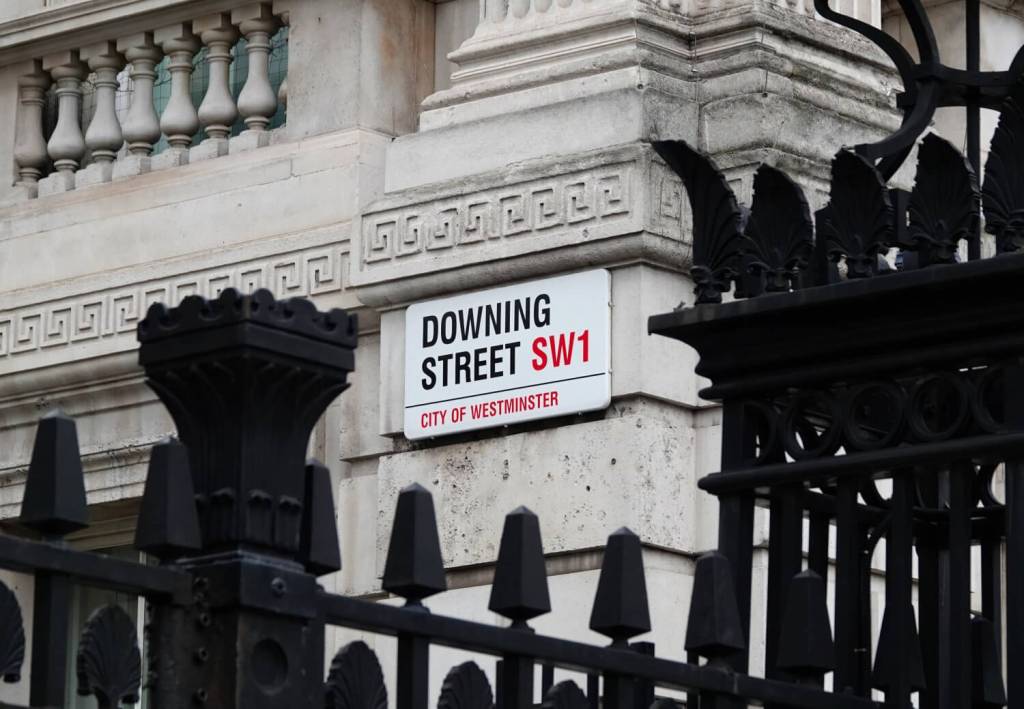

The key information on Andy Burnham
- Andy Burnham became the UK prime minister on 20 July, following Sir Keir Starmer’s resignation
- as Mayor of Greater Manchester, he implemented strict regulations for the private rental sector and drove a 43% increase in fines on rogue landlords
- Burnham wants to shift focus away from ‘affordable housing’ and instead invest £40 billion into building genuine council houses
- while he has historically favoured structural reforms to property wealth taxes, he has recently ruled out scrapping stamp duty in the upcoming Budget to avoid freezing the housing market
- despite advocating for rent caps in the past, Housing Secretary Angela Rayner has confirmed Burnham’s government will not pursue rent controls, pointing to the impact of the newly enforced Renters’ Rights Act
- his leadership could mean a shift in power towards tenants and local authorities, bringing tighter rules and enforcement for private landlords
After the resignation of Sir Keir Starmer as prime minister, Andy Burnham became the UK prime minister on 20 July.
Burnham has strong views on housing in the UK and the role the private rental sector plays in the current crisis. And in the past, he’s shown support for major reforms to council tax, stamp duty, and capital gains tax. He’s also always been an advocate for rental controls like the measures in the Renters’ Rights Act.
But as he’s a landlord himself, is there a chance landlords could receive a more sympathetic approach under his leadership?
Andy Burnham’s perspective on housing
Housing has been a main focus for Andy Burnham throughout his 25-year political career. He views the housing crisis as a major social and political issue.
Burnham doesn’t support the current idea of “affordable housing.” Instead, he wants a large-scale return to building real council houses. In an interview with the Telegraph, he said he wants to invest £40 billion into building these homes.
He also wants to change how property is taxed. During his campaign to become the MP for Makerfield, Burnham said council tax is unfair to lower earners and is a regressive tax. He suggested he would change this system if he became prime minister.
Will there be changes to stamp duty?
In the past, Burnham has spoken about replacing stamp duty with a proportional property tax or a land value tax. This would be a yearly tax based on the rental value of the land, meaning buyers wouldn’t pay an upfront stamp duty cost when a property is sold.
However, Burnham has recently moved to stamp out speculation around imminent changes to these taxes. Following reports that stamp duty was set to be scrapped, the prime minister explicitly ruled out axing it in the next Budget.
Reports suggest Burnham “shut down” the idea to avoid freezing the housing market – a lesson learned from past instances where mere speculation about tax changes caused buyers and sellers to halt their moves.
Still, his historical ideas show that he eventually wants a tax system focused on property wealth rather than income. This system would place a higher tax on people who own more property, which would directly affect landlords with multiple homes.
Burnham could make smaller, immediate tax changes to raise money quickly (which we’ll cover later) but his past actions suggest he’d prefer to make structural changes to the whole system eventually.
Rent controls in Manchester under Burnham
When trying to understand what actions Burnham might roll out as prime minister, it’s useful to look at what he achieved as the Mayor of Greater Manchester. During his three terms, Burnham took strict action against rogue landlords and worked to raise rental standards across the region.
There were multiple measures brought in under Burnham’s tenure:
- the Good Landlord Charter – a voluntary scheme requiring participating landlords to meet standards far above the legal minimum, such as achieving an EPC C rating, transparent rent reviews, and inclusive letting practices
- state-funded tenant legal defense – he launched a targeted Renters Protection Plan, heavily funding a task force of housing legal experts to help private tenants fight unlawful evictions, unreasonable rent hikes, and poor living conditions. This drove a reported 43% increase in fines levied against repeat offenders
- housing benefits crackdown on rogue landlords – Burnham actively worked with local councils to track down and reclaim housing benefit payments (Local Housing Allowance) that had been paid to landlords letting out substandard or unsafe homes
- expanding compulsory purchase orders (CPO) on empty properties – he set up an empty homes task force and lobbied to the central government for stronger, faster CPO powers to seize properties left vacant, with the intent of repurposing them for social housing.
When looking at these policies as a whole, it suggests that Burnham favours a shift in power away from landlords and towards tenants and local authorities. And to achieve this shift, he prefers strict regulations and direct consequences for not following them.
What ‘quick wins’ could Burnham introduce as prime minister?
While Burnham’s long-term vision includes sweeping reforms like replacing council tax with a proportional property tax, changes like this take years to happen. And as recent announcements show, he is wary of destabilising the housing market with sudden tax abolitions.
He’s also committed to staying within the government’s fiscal rules on debt and spending, so won’t be able to borrow more money to fund his plans.
But here’s an idea of some of the possible changes he could make to raise tax revenue for his initiatives:
- capital gains tax equalisation – advisors close to Burnham have suggested aligning residential capital gains tax rates with higher-band income tax rates. This move would instantly reduce the net profits of landlords looking to sell
- targeting the limited company loophole – in an effort to be more tax efficient, more landlords might choose to set up buy-to-let limited companies. Burnham could introduce targeted corporation tax hikes for property investment companies or limit the relief that currently allows landlords to transfer portfolios without triggering certain taxes
- multipliers on empty homes and short term lets – Burnham could increase taxes on empty homes to try and ease the pressure on housing. This would then give more power to local councils to apply council tax multipliers on vacant properties and short-term lets. Burnham has also campaigned for a “double tax” on empty and second homes in the past and could potentially bring in something similar if he became PM
It’s important to remember that, even though he’s prime minister, Burnham is the leader of the Labour Party. So he’ll need the backing of his chancellor as well as the other party members.
Andy Burnham’s potential impact on landlords and the rental market
Burnham’s focus on addressing the housing crisis could mean he looks into policies that could have an impact on landlords in the UK. Capital gains tax and corporation tax for properties could all be tweaked, although the immediate threat of a radical stamp duty overhaul has been temporarily shelved.
As property portals like Zoopla have recently pointed out, stamp duty remains a “meaningful friction” for home movers, and industry figures continue to push for fairer taxation. While Burnham has made pledges for a fairer tax system, he has made it clear that keeping the market moving takes precedence over immediate, disruptive abolition.
It’s also worth noting that the Renter’s Rights Act is legislation passed by the Labour government, and Housing Secretary Angela Rayner has confirmed the government will not pursue additional rent controls, citing the impact the Act is already having on the market.
Burnham seems to prefer policies that are focused on asset and property taxation. While individual landlords often earn significantly less than large property corporations, new tax policies could still affect them – particularly any future changes around capital gains and property profits rather than standard income.
More guides for landlords
- Landlord responsibilities – a guide to property maintenance and repair
- The UK regions where house prices could grow the fastest by 2030
- What tenants want in 2026 (and how often to decorate your property)
- Section 13 rent increase: a guide for landlords
Get set with tailored landlord cover
Over 200,000 UK landlord policies, a 9/10 customer rating and claims handled by an award-winning team. Looking to switch or start a new policy? Run a quick landlord insurance quote today.