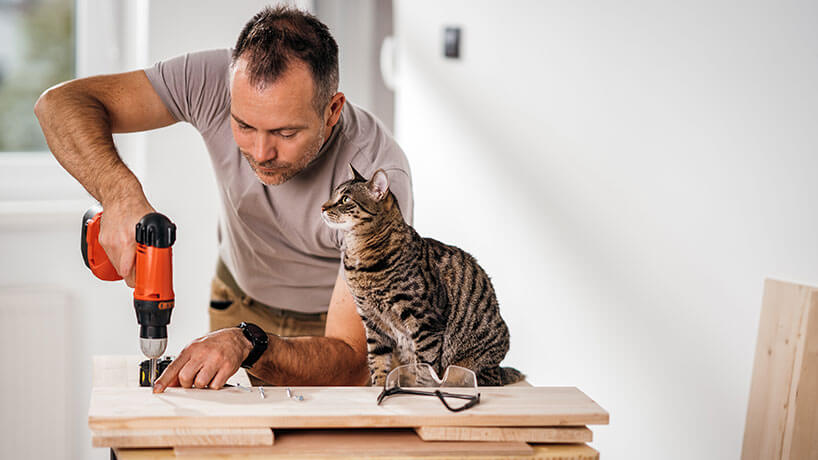

New research from Simply Business reveals that 92% of UK tradespeople have been asked to take on extra work beyond their original booking. On average, these unpaid “whilst you’re here” requests cost tradespeople 1.8 hours a week – equivalent to around £2,600 in lost earnings a year.
You’ve packed up your tools, written the invoice, and you’re ready to leave. Then the customer says it: “Oh, while you’re here, could you just…”
It’s a familiar moment for almost every tradesperson in Britain. But new research from Simply Business shows this isn’t just an occasional inconvenience – it’s a widespread, costly, and growing pattern.
According to the research, 92% of tradespeople say they’ve been asked to take on extra work beyond their original booking at least once. Nearly two in three (62%) say it happens regularly. And nearly one in five say it comes up on almost every single job.
Those small favours add up fast. Tradespeople estimate they spend an average of 1.8 hours a week on out-of-scope requests – equivalent to two full working weeks a year, or around £2,600 in lost earnings. Over a third (34%) say they receive no payment for that extra work at all.

92%
have been asked to take on extra work

£2.6k
in lost earnings from completing extra tasks
Britain’s most common “while you’re here” requests
The requests range from the reasonable to the eyebrow-raising. Here’s what tradespeople say they’re most often asked to do:
- Take a look at a completely separate problem and try to fix it (67%)
- Move furniture or heavy appliances (59%)
- Give a new quote for unrelated work on the spot (54%)
- Accept a delivery on the customer’s behalf (41%)
- Hang a picture frame or mirror (35%)
- Replace a light bulb (35%)
- Fix an unrelated plumbing problem (25%)
- Unblock a drain or toilet (19%)
- Open stubborn jars or packaging (17%)
- Do a quick paint job (17%)
Beyond these, 15% of tradespeople have been asked to watch over pets. Others report being told to take the bins out or deal with household pests. And in a small but notable 3% of cases, tradespeople say they’ve been left in charge of children while the customer nipped out.
The 5 most bizarre “while you’re here” requests tradespeople have received
Some of the real-life stories shared by tradespeople go well beyond anything resembling the original job.
- One tradesperson was asked to bury what a customer believed was their cat – only to discover, two hours later, that their cat had just walked in through the back door. The buried animal turned out to belong to a neighbour down the road.
- Another was asked to help retrieve a live cow from a swimming pool (they declined).
- One tradesperson was asked to take a customer’s husband’s belongings in three suitcases to a hotel after the customer kicked him out.
- A gardener was asked to diagnose a fault in a customer’s car.
- A tradesperson was invited to sample a 10-year-old’s freshly baked cakes and give honest feedback – which, by their account, required considerable diplomacy.
Ben Gatenby of 1st Defence Locksmiths Leeds put it plainly: “I’ve had a customer ask whether I can take a look at their leaky roof before… I’m a locksmith.”
He also noted the timing: “In my experience, the requests always seem to come out at the same time: when you’ve already written the invoice and just put your tools away, the customer will hit you with a “oh could you just have a look at this…”
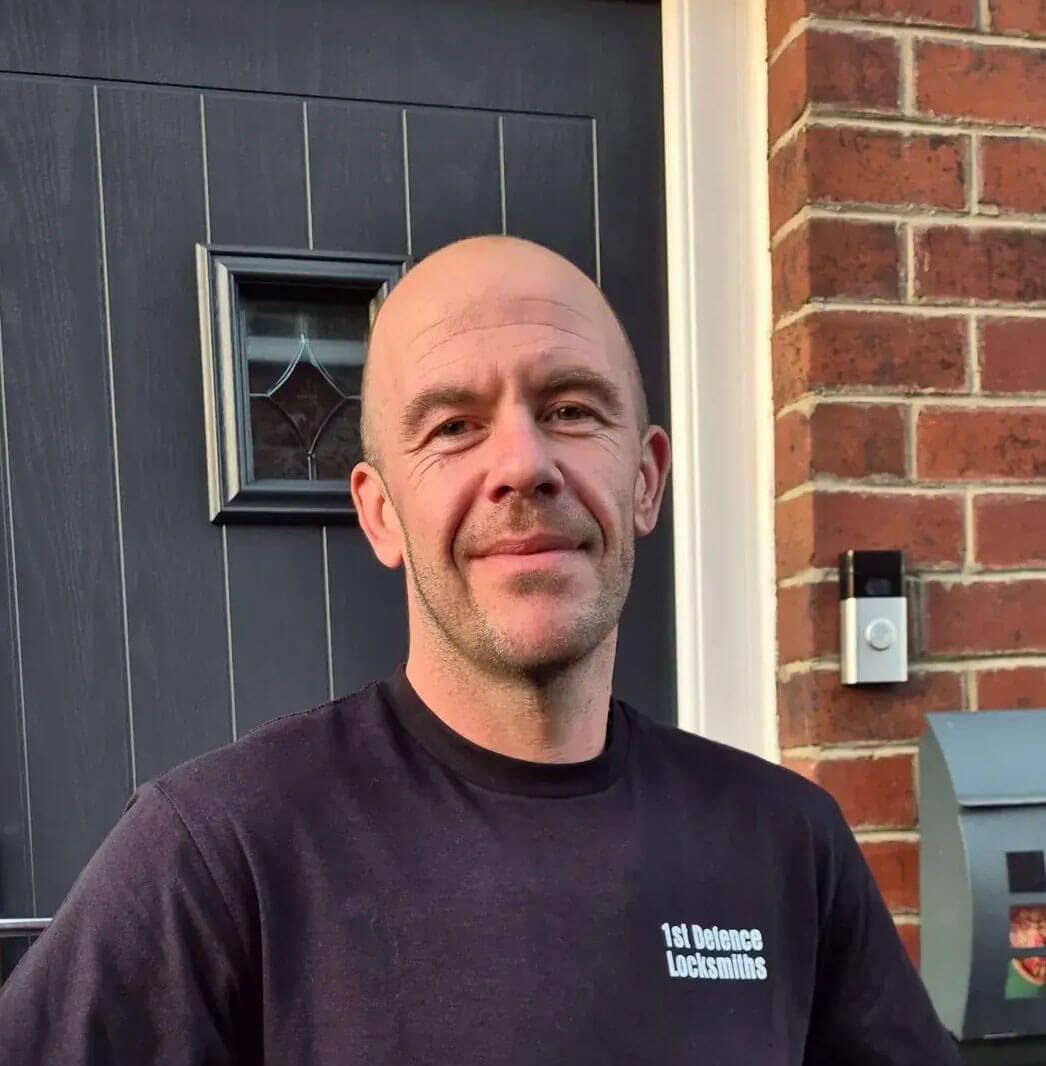
“I haven’t ever charged for the extra work – usually because they tend to be straightforward jobs that don’t require any extra parts. I do them under the proviso that I might get a more positive review, which ultimately helps my business.”
Ben Gatenby
Owner of 1st Defence Locksmiths Leeds
Does going the extra mile actually pay off for tradespeople?
Sometimes, yes. Among the tradespeople surveyed, 62% say that helping out beyond the original job has led to recommendations. Over a quarter (27%) say it’s resulted in better customer reviews.
But the benefits don’t always outweigh the costs. Over a third (36%) say these requests force them to work late or extend their day. Nearly one in five (19%) say customers now expect extras as standard – which shifts the dynamic from goodwill to obligation.
There are also risk factors that tradespeople may not immediately consider – 6% say they’re worried they may not be insured for work carried out outside the agreed scope of the original job. Some have reported accidents or damage while completing unofficial tasks.
Price your jobs right
Learn how to price a job as a contractor with these tips and tricks for tradespeople – plus get your own free quote template.

Why tradespeople should be aware of what their insurance covers
That last point is worth paying attention to. If something goes wrong while a tradesperson is fixing an unrelated problem they weren’t booked or insured for, their insurance policy may not cover it.
Julie Fisher, UK CEO at Simply Business, said: “Our research reveals a side of our tradespeople that goes far beyond their professional expertise – it’s clear proof of their community-minded spirit.
“Alongside the more humorous requests, we’ve heard moving stories of tradespeople stepping in to help elderly clients with household chores or providing an extra pair of eyes whilst a carer pops out. The value of this extra support is more than just the sum of its parts – it’s about the genuine kindness they bring to our communities every day.
“While we must ensure our tradespeople are fairly compensated and protected, we should also take a moment to thank them for going above and beyond. Perhaps think twice before turning to the tradie in your home and saying “oh, whilst you’re here…”
If you’re a tradesperson, it’s worth reviewing your policy to understand exactly what work you’re covered for. Simply Business offers tailored trades insurance for over 1,500 trades, so you can make sure your cover reflects the reality of your working day.
Promotion
What can tradespeople do to help protect themselves?
There’s no simple fix, and the research makes clear that many tradespeople see goodwill as a genuine part of building their business. But a few practical steps can help:
- Know your policy: check what work your insurance actually covers. If you regularly take on tasks outside your core trade, it may be worth updating your cover.
- Set expectations early: a clear written scope of work before you start a job gives you something to refer back to if the requests start creeping.
- Charge for your time: if the extra work takes time and skill, it has value. A short conversation about a small charge is far easier than absorbing the cost silently.
- Keep a record: if you do agree to carry out extra work, note it down. This helps protect you if anything goes wrong later.
Going above and beyond is part of what makes a good tradesperson. But that doesn’t mean it has to cost you.
More guides for tradespeople
- How to keep tools safe in a van – plus latest tool theft stats revealed
- Underinsurance: the hidden risk that could cost your business
- UK tool theft hotspots: where are your tools most at risk?
- How much does an accountant cost for small businesses?
Ready to set up your cover?
As one of the UK’s biggest business insurance providers, we specialise in public liability insurance and protect more trades than anybody else. Why not take a look now and build a quick, tailored quote?
Methodology: Insight compiled from a survey of 408 UK tradespeople conducted by Simply Business between May and June 2026.
Survey respondents were asked how much time they typically spend per week on unplanned work that they do not charge for. Based on the distribution of responses across time bands, an average of 1.8 hours per week was calculated, equivalent to 93.6 hours per year.
Respondents were also asked to select the hourly rate closest to their standard charge. The most common response was £30 per hour (41%), with the majority (54%) reporting rates between £20 and £40 per hour. As such, £30 was used as a representative average hourly rate.
93.6 hours x £30 per hour = £2,808 estimated annual value of unpaid work.
To provide a cautious and representative estimate, this figure is rounded down to approximately £2,600 per year.