
What the Autumn Budget
means for small business owners
Chancellor John Healey delivered his financial statement on 28 October 2026, but what's changing for small business owners? Here's everything you missed, what it means for you, plus insight from real business owners.
Autumn Budget: at a glance
Running a small business in the UK can be challenging, and we know frequent policy changes can disrupt long-term planning for 65% of business owners.
But this year's Autumn Budget made some positive announcements to support small businesses and try to create some much needed breathing space.
Changes to business rates, the tax-free trading allowance, and energy bills are the headlines from 28 October, but as always, the devil is in the details. Keep reading to find out what it all means for you and your money.
To understand how small business owners are feeling in the run up to the Budget, Simply Business surveyed 1,464 small business owners across the UK about rising costs, how they're coping, and how confident they feel about the future. The results paint a clear picture of pressure – and resilience.
Tripling the tax-free trading allowance
Chancellor Healey announced a tripling of the tax-free trading allowance to support new ventures and startups.
Small businesses and the self-employed will be able to earn £3,000 a year before paying tax – an increase from £1,000. This means side hustlers and people growing their business won’t have to declare income to HMRC until they reach this threshold, reducing bookkeeping demands and red tape for small businesses.
When is this change coming in? 6 April 2027
High street businesses to stop paying business rates
Thousands of retail, hospitality, and leisure businesses will no longer have to pay business rates as part of reforms announced in the Autumn Budget.
The small business rate relief threshold is increasing, which the government says will take over 70,000 businesses out of having to pay it at all.
- 100% relief – the threshold increases from £12,000 to £18,000 (based on the rateable value of your business premises)
- rates will be frozen for two years for all other retail, hospitality, and leisure properties
This follows on from a 20% cut to business rates for pubs, social clubs, and live music venues in England, taking effect from April 2027 (previously announced on 23 July 2026). As well as the 15% relief already in place for 2026-27 – announced back in January 2026.
What's the impact of business
rates revaluation?
have had to increase
prices as a direct result
have reduced employee hours
have let employees go
Which business costs have risen the most?
We asked small business owners which expenses had increased the most over the past 12 months. Supplier and raw material costs came out on top.
| 13% | |
|---|---|
| 19 |
| 13% | 14% | |
|---|---|---|
| 19 | 36 |
| 13% | 14% | 35% | |
|---|---|---|---|
| 19 | 36 | 42 |
The Autumn Budget introduced a range of measures for domestic energy bills as well as longer term plans for renewable energy in the future. The chancellor has also committed to giving households in England a £100 energy payment directly into bank accounts if you live in a property that’s in council tax band A to D.
While these changes don’t directly support businesses, it’s hoped these will give people greater financial support when it comes to the cost of living.
VAT removed from domestic electricity bills
Over a third of small business owners say rising energy costs are one of their biggest headaches – has the chancellor done enough?
As of 1 October 2026, VAT on household electricity bills dropped from 5% to 0%. And while this is mainly aimed at domestic households, it could still have a knock on effect on small businesses.
Small businesses, charities, and residential care homes that already qualify for the reduced 5% VAT rate on electricity – through the existing VAT certificate and declaration process – will also benefit from the new 0% rate.
This VAT cut has been funded for the 2026-27 financial year. Blah blah add more info from Budget.
No changes to VAT for small businesses
While many small businesses might have been hoping for a change to the VAT registration threshold or a reduced rate, no changes to VAT were announced in the Autumn Budget.
Fi Titus, Chartered Accountant and co-founder of Coco Financial and Fineo, explains how the current £90,000 VAT registration threshold creates a “real growth dilemma”.
Why?
- extra quarterly admin
- VAT registration means charging your customers an extra 20% or taking a 20% hit to your own margin
“I’ve seen businesses turn away work and opportunities rather than cross the threshold, owing to what happens when you do. Raising the threshold offers breathing space, but a gradual tapered transition would actually tackle the underlying problem.”
Fi Titus
Chartered Accountant and co-founder of Coco Financial and Fineo
Support for startups and young founders
The government has announced a new Young Entrepreneurs Allowance to cover the cost of living for founders while they work on growing their business.
This will be a pilot scheme opening for applicants soon. Living costs will be paid during the first year of launching their business venture.
Meanwhile, a Scale UK programme will provide tailored support to 200 high-growth firms across the UK – with expert advice, investor connections and international opportunities.
And finally, new industry standards have been developed to drive fairer access to investment for female entrepreneurs, supporting women to start and scale businesses and build careers in tech.
Fuel duty cut extended
The government is no longer going to increase fuel duty in January as planned. The 5p cut to fuel duty has been extended and will now end on 1 July 2027, meaning fuel duty is frozen at 52.95p per litre until the summer.
The government is no longer going to increase fuel duty in January as planned. The 5p cut to fuel duty has been extended and will now end on 1 July 2027, meaning fuel duty is frozen at 52.95p per litre until the summer.
This saving on fuel duty could directly help reduce your operating costs, whether you’re a tradesperson, mobile service provider, courier, or caterer. Even small businesses that don’t rely on transport for work could see how the cost of fuel impacts costs for logistics, deliveries, and supplies.
While this Budget hopes to bring some “breathing space” to motorists and businesses, the cost of fuel at the pump is still likely to see an increase due to geo-political events. Find the cheapest fuel with the fuel finder scheme
How are small businesses coping with rising costs?
Faced with these pressures, business owners have had to make tough calls.
For many, raising prices isn't a choice. It's survival. But it comes with its own risk: customers who are also feeling the pinch.
“For a small service business, rising costs don’t arrive as one big bill. They creep in everywhere at once: across software and subscriptions, insurance, professional services, marketing, and the professional development I need to keep offering clients the best possible support. I’ve become much more deliberate about every cost – regularly asking whether each one genuinely helps me serve clients better or grow the business. The risk for small businesses is cutting so hard that we stop investing in the very things that help us grow.”
Fay Phillips-Jones
Founder of Coaching with Fay
Changes that could impact employers
New self-employed paternity pay
Self-employed dads and partners will be entitled to paternity pay for two weeks as the government expands financial support for new parents. More than 150,000 additional parents will benefit from support worth up to £194 a week, subject to meeting eligibility requirements
National minimum wage and national living wage increases
National minimum wage and national living wage rates will increase by 3.9% in April 2027, according to the chancellor’s Autumn Budget. These rates increase every year but can present challenges for very small employers
|
Age bracket |
Current rate (2026-27) |
From 1 April 2027 |
|---|---|---|
|
21 and older |
£12.71 |
£13.21 |
|
18-20 |
£10.85 |
£11.27 |
|
Under 18 |
£8 |
£8.31 |
|
Apprentice |
£8 |
£8.31 |
New powers for regional mayors and local authorities
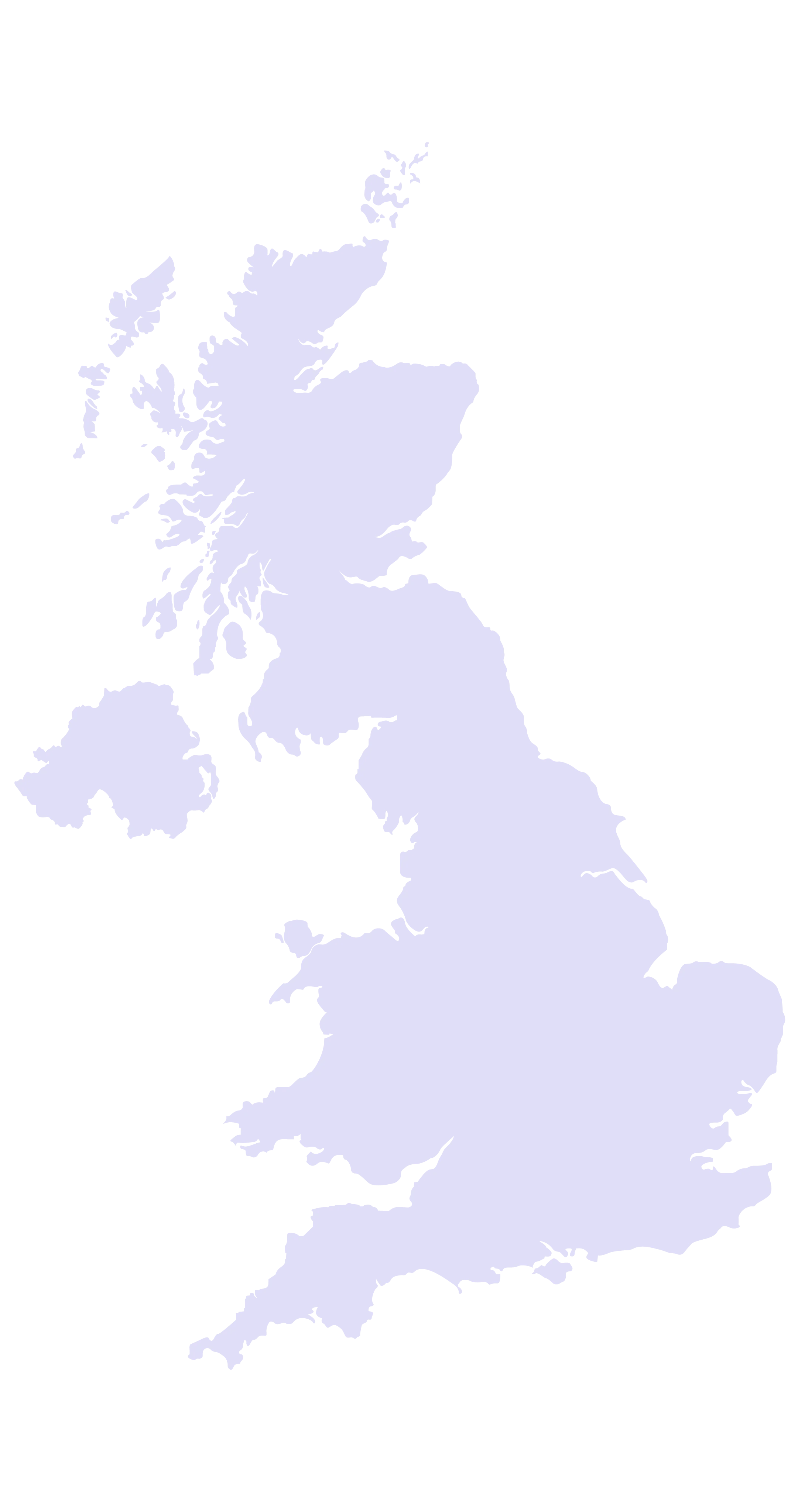
Areas in England with mayors will see new powers in the future, including:
- mayors will receive a share of income tax and business rates, while local authorities will retain more of their business rates
- mayors will retain a 20% share of locally retained business rates from 2027
- local and regional government retaining 100% of business rates income by the end of the decade
- Good Growth Funds to support mayors and local leaders across England have been announced
How confident do small business owners feel about the next 12 months?
Confidence has slipped since the chancellor’s Spring Statement, back in March 2026
| expense | |
|---|---|
| Wages | 45 |
| Program | 55 |
| Admin | 0 |
| Marketing | 0 |
| Facilities | 0 |
Autumn Budget
feel very or somewhat confident
| expense | |
|---|---|
| Wages | 54 |
| Program | 46 |
| Admin | 0 |
| Marketing | 0 |
| Facilities | 0 |
Spring Statement
felt very or somewhat confident*
| expense | |
|---|---|
| Wages | 0 |
| Program | 100 |
| Admin | 0 |
| Marketing | 0 |
| Facilities | 0 |
That's a nine-percentage-point drop in confidence in just a few months – a sign that uncertainty, not optimism, is shaping small business planning right now.
"There’s going to be…a lot of headline-grabbing ‘hot takes’ after the announcement. In almost all cases, they will lack the deeper context and nuance needed to truly understand the policy and who exactly is affected. Block out the noise, don’t make any knee-jerk business decision (especially not based on speculation). As the dust settles make sure to understand what it means personally for you and your business. Small business owners are resilient, and we’ll be here to help you navigate it."
Fi Titus
Chartered Accountant, Co-Founder of Coco Financial
and Fineo"
The Autumn Budget also included:
- a ‘soft landing’ for Making Tax Digital (MTD) for Income Tax Self Assessment, with no penalties for late submissions for the first 12 months for taxpayers joining MTD from 6 April 2027
- a new requirement for Self Assessment taxpayers to pay more of their liabilities in-year from 2029
- temporarily reducing tariffs on over 100 food and drink products, helping people save money on their food shop
- a new Pension Tax Allowance
- providing £10 million a year of support to over 2,000 small alcohol producers across the UK through changes to the small producer relief for alcohol duty
- new powers for HMRC to enable the direct recovery of lower-value tax debts from those who can afford to pay but repeatedly fail to do so
Navigating the Budget with confidence
The Autumn Budget arrives at a pivotal moment. Costs are rising, confidence is wavering, and the gap between regions is widening. But small business owners have shown, time and again, that they can adapt – whether that's adjusting prices, absorbing costs, or rethinking operations.
But with measures that directly support the high street and support for young entrepreneurs and new ventures, the Autumn Budget could provide the breathing space SMEs so desperately need.
Understanding these pressures is the first step. Knowing how to respond is the next.
Want more business news, straight in your inbox?
Share your email and we’ll send you the latest news, guides, and competitions for small business owners.
Methodology
Findings from an online survey of 1,464 UK small business owners, including 139 businesses with a shop front, conducted between 30 September and 7 October 2026.
*Research was conducted via an online survey of 1,000 Simply Business customers conducted between 5 February and 12 February 2026.
 Built with Shorthand